
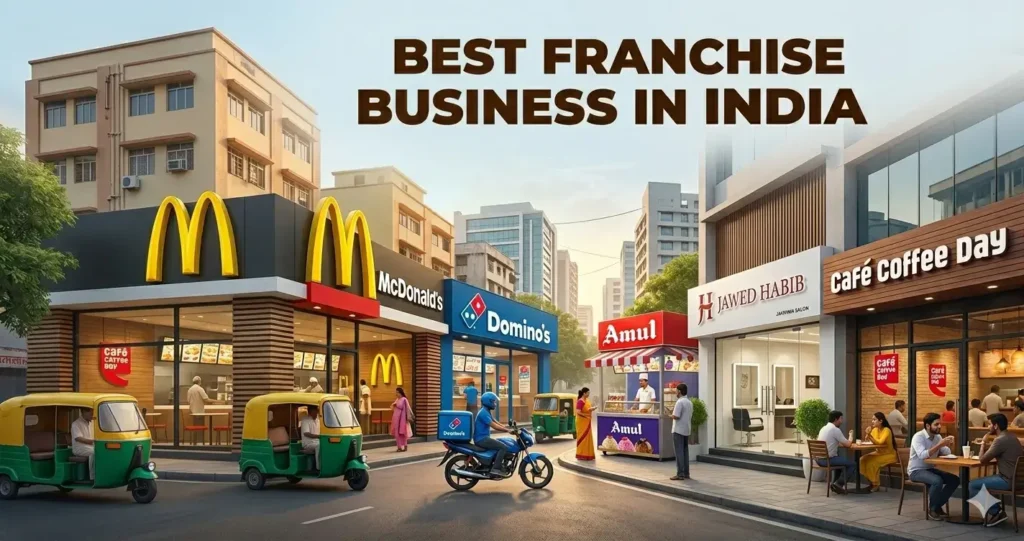
The entrepreneurial condition in India has been experiencing phenomenal growth over the last couple of years, and the franchise business in India has become one of the most profitable investment options available to prospective business owners. The Indian franchise industry has also developed into a multi-billion-dollar enterprise and now provides. The entrepreneurs have a reliable business model that has an established brand name, operational backing, and brand recognition.
Franchise business in India offers one a rare chance to own and manage a business at the same time, reducing the risks that are normally involved in starting a business. Since food and beverage franchises are available, in addition, there are education franchises as well as retail franchises, all of which vary with investment capacity and business interests. This resource center looks at the top 10 franchise businesses in India and opportunities that will redefine the entrepreneurial ecosystem in 2026.
Also read: Top Startup Companies in Delhi
Knowing the Franchise Business Model of India
The Indian franchise business is based on an established system whereby the franchisor (brand holder) transfers the rights to franchisees (business owners) to use their established brand name and business model. This structure incorporates the entry to trademark licensing, operational guidelines, marketing assistance, and continuous training. These benefits are paid by the franchisee in terms of the initial franchise fee and royalty payments made.
The expansion of franchise business in India has been phenomenal, and the business has a valuation of more than $50 billion and is projected to increase by 30-35% in the next five years. This blistering expansion is propelled by the rising consumer expenditure, urbanization, and the need to have standard products and services within the Indian cities.
Explore More: Best Startup Companies in Delhi
1. McDonald’s India
Industry: Food and Beverage
Investment Amount: 6 crores -14 Crores.
Franchise Fee: ₹25-30 lakh
Royalty: 5% of sales
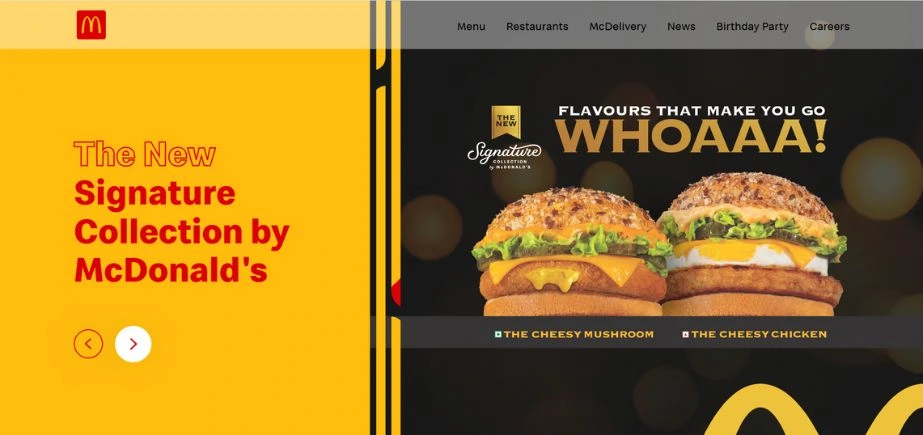
McDonald’s is one of the most successful franchise businesses in India in the quick service restaurant industry. This international fast-food corporation has managed to localize its menu to meet the Indian preferences without compromising international quality standards. McDonald’s has more than 320 franchises in India, which it intends to increase in its franchise program.
Key Features:
- Extensive franchise training sessions of 9-12 months.
- Experienced business model and well-established supply chain infrastructure.
- Good brand awareness and consumer loyalty.
- Continuous marketing and operation assistance.
- Localized menu services, such as vegetarian services.
- Successful locations were making 15-20% profit margins.
The McDonald’s in India is a big investment but a big payoff to the franchisees who will adhere to the system. The company offers a wide range of site selection, restaurant design, inventory management, and training of the staff.
2. Domino’s Pizza
Industry: Food and Beverage
Investment Range: ₹50 lakh – ₹1.5 crore
Franchise Fee: ₹5-8 lakh
Royalty: 5.5% of gross sales
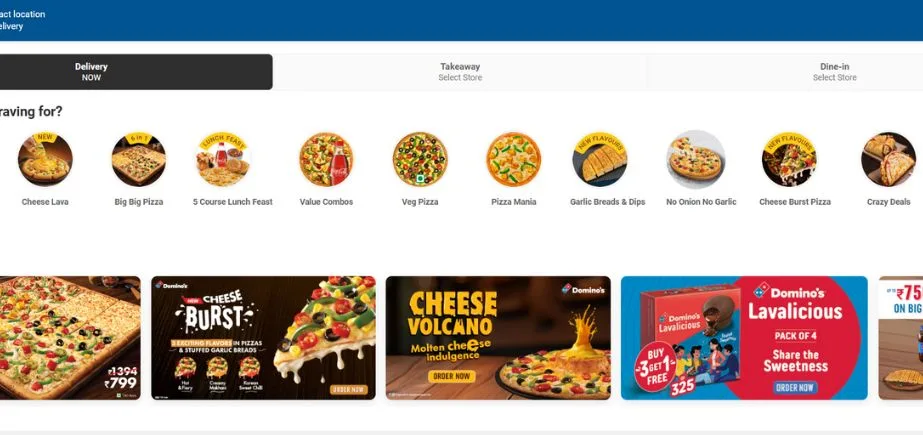
Domino has achieved the status of pizza delivery in India, and thus, it is one of the most lucrative franchise business in India opportunities in the food franchise business. Having more than 1,400 outlets in India, Domino has recorded growth and profitability. The 30-minute or free promise of the brand has resulted in high reliability and repeat business among customers.
Key Features:
- Less investment than other QSR franchises.
- Operations based on technology using the online order systems.
- Proper training in corporate training centers.
- Good delivery infrastructure and logistics.
- Established menu that has attracted Indian consumers.
- 18-24 months average payback.
The franchisee of Domino’s India presents an opportunity to venture into the booming pizza business with the smallest operational complexities and excellent support from the brand.
3. Amul Ice Cream Parlour
Industry: Food and Beverage
Investment Range: ₹2 lakh – ₹5 lakh
Franchise Fee: Minimal
Royalty: None
Amul is a low-cost entry point into the franchise business in India, especially for first-time entrepreneurs who have low capital. Amul is the biggest dairy cooperative in India and has one of the easiest opportunities in the country to enter into a franchise at a low cost. The ice cream parlour franchise would need minimal capital and utilize one of the most reputable brands in India.
Key Features:
- Minimal requirement in terms of initial investment.
- No royalty payments, just purchase requirements of the products.
- Good brand equity and customer loyalty.
- Basic operating model with a low number of staff requirements.
- Product diversification can be used to deal with seasonal variations.
- Ice cream sale profit margins of 25-35.
The franchise model of Amul suits the interests of an entrepreneur who wants to open a small business franchise with established products and low risks. The services offered by the company include point-of-sale resources, branding assistance, and a frequent supply of products.
4. Hair and Beauty Salon Jawed Habib
Industry: Beauty and Hair
Investment Range: ₹8 lakh – ₹15 lakh
Franchise Fee: ₹3-5 lakh
Royalty: 6-8% of revenue

The beauty and wellness industry is another fast-developing franchise business in India, and Jawed Habib is the leader of the salon franchises. The brand has more than 850 salons in India and has made professional hair and beauty services democratic. This is a service franchise under the increased demand for grooming and wellness services.
Key Features:
- Training of franchisees and personnel through comprehensive training.
- Domestic and global brand recognition.
- Standardized service specifications and prices.
- Marketing services such as local and country campaigns.
- Exclusive product line and professional equipment.
- Expanding market and rising consumer consciousness.
The franchise system has a comprehensive training system, an operating manual, and regular assistance to maintain consistency in the service system at all the stores. This is a stable franchise investment because of the strength of the beauty industry.
5. Café Coffee Day (CCD)
Industry: Food and Beverage
Investment Range: ₹25 lakh – ₹50 lakh
Franchise Fee: ₹8-12 lakh
Royalty: 5% of sales

Café Coffee Day was the first chain to introduce the culture of cafes in India, and still stands out as one of the most recognized franchise businesses in India, with opportunities in the coffee shop franchise market. Nevertheless, CCD has been able to overcome these recent setbacks, and it has more than 500 outlets in India to provide an effective business model to aspiring entrepreneurs who want to establish cafes.
Key Features:
- Well-established brand and a base of customers.
- Intensive franchise service system.
- Assistance in prime locations and in the field of real estate.
- Standardized recipes and procedures of operation.
- The introduction of technology in inventory and sales monitoring.
- Several sources of revenue, such as food, drinks, and retail products.
The franchise program of CCD provides comprehensive training, continuous business development, and the use of an already developed chain of supply. The cafe is also expanding its market presence since Indians in the cities are seeking social places and quality coffee.
6. Kidzee Preschool
Industry: Education
Investment Range: ₹8 lakh – ₹12 lakh
Franchise Fee: ₹4-6 lakh
Royalty: 10-15% of fee collection
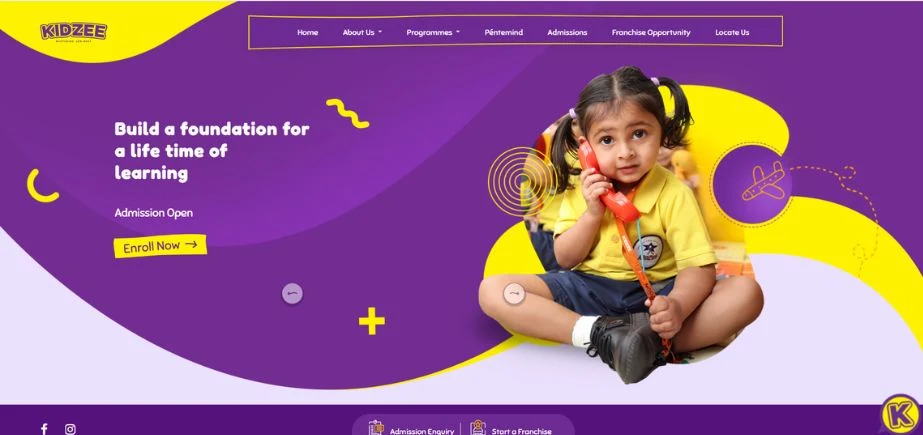
The education franchise business is one of the sectors of franchise business that is not recession-proof in India. India has the largest preschool chain in terms of the number of centers, called Kidzee, which has approximately 1,900 centers and provides an opportunity to the entrepreneur to join the educational market of early childhood. As parents are becoming more and more concerned with quality education, this franchise offers a steady income and social influence.
Key Features:
- Extensive curriculum and instructional practices.
- Full training of franchisees and educating employees.
- Enrollment and marketing services.
- Recurring revenue with low operational complexity.
- An expanding market has demographic benefits.
- Brand credibility and parent trust.
The franchise opportunity under Kidzee involves a wide range of assistance in the establishment of the center, training of teachers, implementation of the curriculum, and parent involvement. This is a long-term viable business venture due to the gradual but steady increase in the education sector.
Read More: Top Startup Companies in Coimbatore
7. Dr. Batra’s Homeopathy Clinics
Industry: Healthcare
Investment Range: ₹15 lakh – ₹25 lakh
Franchise Fee: ₹5-8 lakh
Royalty: 8-10% of revenue

Healthcare franchises in India are a very emerging branch of franchise business, and Dr. Batra has proved to be the largest homeopathy chain in the world. This healthcare franchise is also a good business model since it has more than 225 clinics in India, and the business model is proven and ethical.
Key Features:
- Formulated clinical practices and treatment regimes.
- Extensive medical training of support personnel and medics.
- Good brand awareness in alternative medicine.
- The recurrent revenue through recurring patients.
- Patient acquisition support and marketing support.
- Professional reputation and credibility.
The franchise business model offers total operation assistance, such as the establishment of the clinic, recruitment of the doctors, patient management software, and continuous medical updates. The increasing popularity of homeopathy in India provides a long-term market for this franchise investment.
8. First Cry Baby Products Store
Industry: Retail
Investment Range: ₹8 lakh – ₹15 lakh
Franchise Fee: ₹2-4 lakh
Royalty: None (revenue-sharing model)
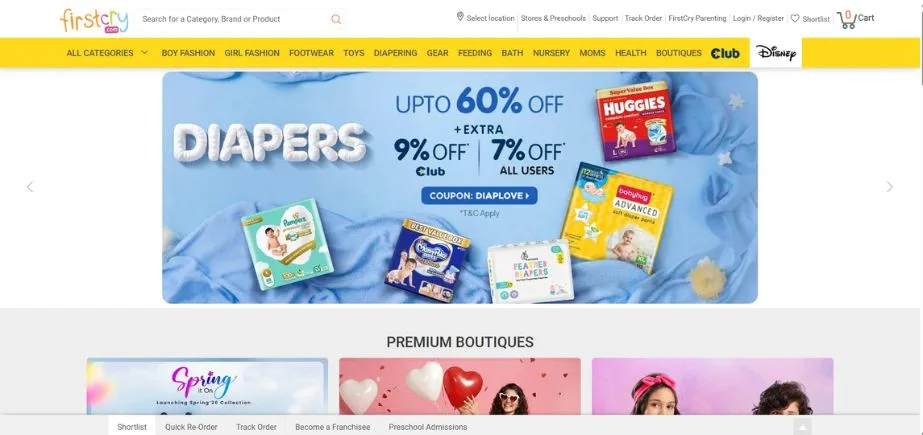
First Cry is one of the most successful franchise opportunities in the franchise business in the Indian scenario. Being the largest retailer of baby and kids products in India, with more than 650 stores, First Cry has exploited the potential of the large market of young parents, who would want to buy quality products for their kids. It is a retail business that integrates online and offline presence.
Key Features:
- No royalty charges, just revenue-sharing bid.
- Large and diverse product portfolio of 200,000+ products.
- Good omnichannel coverage in favor of offline stores.
- Intensive training on retail business and stock control.
- National and digital support at the cost of marketing.
- An expanding marketplace that has good demographics.
The franchise model will also involve full support in store set up, inventory, staff training, and point of sale systems. The steady growth of the baby products market offers the customer a stable demand.
9. Subway India
Industry: Food and Beverage
Investment Range: ₹65 lakh – ₹85 lakh
Franchise Fee: ₹6-8 lakh
Royalty: 8 per cent. of gross sales in a week.
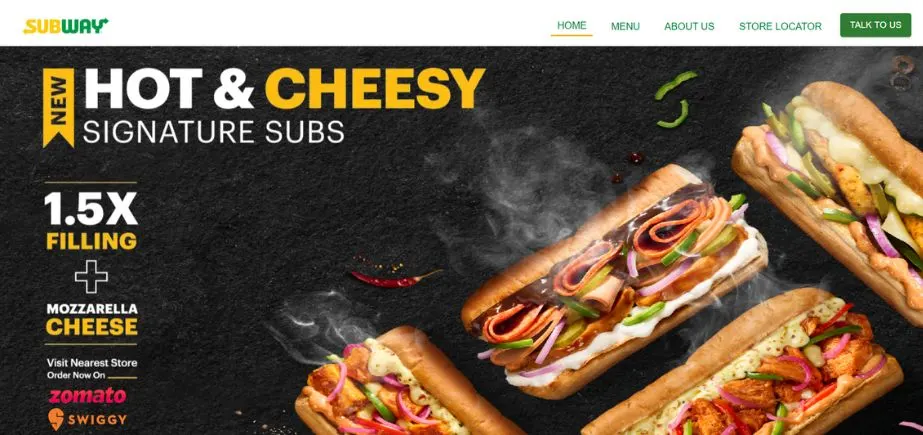
The eat fresh concept of Subway has received a great reception in urban India with regard to health-conscious people; thus, it has emerged as a top franchise business in India in the category of QSR franchise. As a chain of more than 600 restaurants in India, Subway has a record of providing business with a solid model of customizable, healthier fast food.
Key Features:
- A healthy menu that interests contemporary consumers.
- Personalization features that develop customer interactions.
- Detailed training of franchisees.
- Fewer operating expenses than conventional QSR models.
- Good brand name in the international market and India.
- Marketing and operations support for franchisees.
The franchise program of Subway also covers two weeks of training in the corporate office, continued operational assistance, and a well-established supply chain. This franchise is well placed by the increased health awareness of the Indian consumers.
10. DTDC Courier Services
Industry: Logistics
Investment Range: ₹5 lakh – ₹15 lakh
Franchise Fee: ₹1-2 lakh
Royalty: Commission-based model
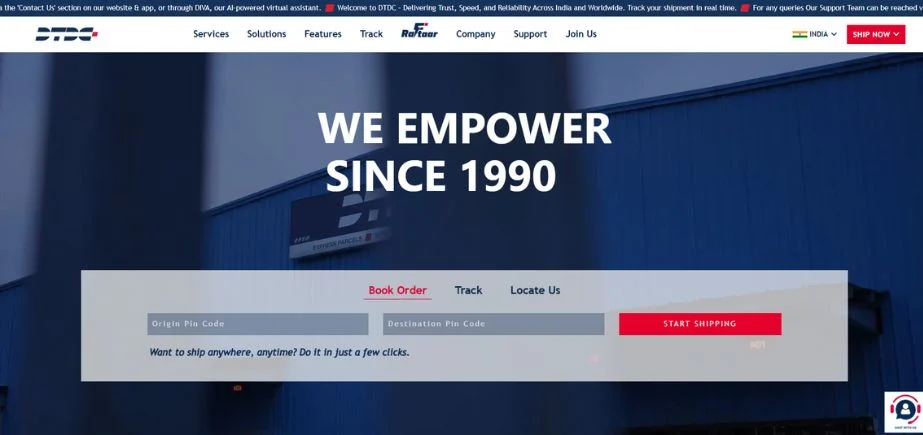
The growing e-commerce in India has provided unmatched opportunities in the logistics business, and thus, DTDC is one of the most lucrative franchise businesses in India. Being the number 1 courier and cargo service in India, with more than 10000 franchise partners, DTDC provides an opportunity for new entrants in the logistics industry with minimum investment.
Key Features:
- Minimal start-up and expandable business.
- No fixed royalty revenue model (commission-based).
- An expanding market due to e-commerce development.
- Extensive training in logistics operations.
- Tracking and management technology platform.
- B2B and B2C revenue streams
The franchising model offers total assistance in terms of establishment, technology, operational training, and marketing. The logistics industry has a high growth rate, which guarantees long-term sustainability and growth prospects.
Key Factors to Consider When Choosing a Franchise Business in India
The right franchise business in India is a matter that has to be carefully considered with regard to a number of factors other than the initial investment. Effective franchisees have effective due diligence before they commit themselves to any franchise opportunity.
Investment Capacity and ROI
It is important to know your financial ability. The market opportunities of the franchise business in India are between 2 lakhs and a few crores. Look at not only the initial fee to pay as a franchisee, but also working capital, rental deposit, equipment costs, and operating expenses during the first six to 12 months.
Determine the payback period of the investment. The average/most successful franchises in India produce ROI in 18-36 months; however, this depends on the location, management, and the market.
Brand Strength and Position in the market
The success of the franchise brand directly influences your success. The franchise business in India has established brands that bring with them customer recognition, trust, and tested systems of operation. Before investing in a brand, research on the reputation of the brand, customer reviews, and the level of position in the market position.
Training and Support
Extensive franchise training and service are some of the key success ideas. The ideal franchise deals would include initial training, operational manuals, marketing help, and ongoing support. Test the commitment of the franchisor to franchisee success by evaluating their infrastructure to support.
Location and Territory
It is also important that the location has an impact on franchise success, particularly in retail franchises and food franchises. Learn the franchisee policies of the franchisor in terms of territory protection, site selection assistance, and the location approval process. Best spots will attract high rentals, but in many cases, will have higher revenues.
Legal and Contractual Terms
Thoroughly check the franchise agreement using legal advice. Familiarize oneself with renewal conditions, exit terms, territorial terms, operation limitations, and settlement of disputes. The franchise relationship continues through the years based on the franchise contract.
Advantages of Opening a Franchise Company in India
The franchise business in India has many benefits compared to the case of an independent business being launched in the country:
Proven Business Model
Franchises offer the availability of proven and improved business models. The franchisor has already found the things that work and those that do not, minimizing the risks of trial-and-error that independent startups are exposed to.
Brand Recognition
Brand recognition is an immediate customer recognition and trust when starting with an established brand. This is extremely cost-effective in terms of marketing expenses and the time it takes to acquire customers as opposed to starting a brand from scratch.
Training and Support
An intensive training program would ensure that you know all about the business. Continuous assistance assists in overcoming difficulties and applying the best practices in a regular manner.
Easier Financing
Franchise investments are taken more positively by banks and other financial institutions than start-ups. It is most likely easier to secure business financing and loans because of the established business model and brand strength.
Marketing Advantages
Take advantage of national and regional marketing promotions done by the franchisor. There is a shared marketing cost and professional campaigns that offer visibility, which may not be achieved by individual businesses.
India’s Franchise Business Growth Prospects
The prospects of franchise business in India are very bright. There are a number of reasons that make people optimistic about this:
Growing Middle Class
The growing middle-income population and rising disposable income of the Indian population are the forces behind the consumption of branded products and services. This population shift will aid in continuing expansion in all the franchise industries.
Urbanization and Change in Lifestyle
The fast urbanization process and the transformation of the lifestyle lead to the necessity of such services, which are more convenient and which are related to international brands and quality experiences that franchises are capable of providing.
Government Support
The government programs aimed at encouraging entrepreneurship, liberalization of the business environment, and franchise subsidies result in a friendly franchise expansion atmosphere.
Tier 2 and Tier 3 City Expansion
Although metro cities are significant, the potential to grow is in the smaller cities. The brands are starting to focus on the tier 2 and tier 3 cities with lesser competition and higher growth prospects.
Technology Integration
The digital transformation allows franchise management, customer contact, and efficiency. Technology also saves money and enhances the experience of the franchise to both the operators and the customers.
Frequently Asked Questions
Q1: What is the lowest cost of the investment to start a franchise business in India?
The cost of a franchise business in India varies widely with the industry and brand. The cheapest target is the ice cream parlor, like the Amul products where only 2-5 lakhs are necessary or the high-end target with McDonalds of 6-14 crores. The 25-5 lakh range of franchise opportunities is most feasible and could include middle-class entrepreneurs who could access business financing.
Q2: What are the earnings that I can get out of a franchise business in India?
Franchise business in India generates earnings that are dependent on various conditions such as brand, location, management, and market conditions. A successful franchise would normally give out profit margins of 15-35 percent based on the industry. Food franchises will tend to have a margin of 15-25, and education and service franchises will have a 25-40 margin. The majority of the franchisees make profits after 18-36 months and have yearly revenues between 5 lakhs and 50 lakhs and above.
Q3: What is the distinction between franchise fee and royalty?
Franchise fee is a single payment that is made to a franchisor to have the right to use their brand, business model, and their first training. Royalty is a recurring payment that is normally in the form of a percentage of monthly or weekly gross sales as a fee to maintain the use of the brand and as a continuity fee. There are also those franchises that impose independent marketing fees to finance the advertising campaigns.
Q4: Is it possible to have a number of franchise locations?
Yes, there are a lot of successful franchisees who run multi-unit franchising with several locations. After demonstrating the effectiveness of one location, franchisors tend to promote to other areas. Multi-unit franchising has economies of scale, greater bargaining power, and more profitability. Yet, it must have more powerful management systems and sufficient capital.
Q5: Which are the most preferred franchise industries in India?
India industries that have bequeathed the most successful franchise business are food and beverage (quick service restaurants, cafes, ice cream parlors), education (preschools, coaching centers, training skills), retail (baby products, fashion, mobile stores), beauty and wellness (salons, fitness centers, spas), and healthcare (diagnostic centers, dental clinics, alternative medicine). There is a healthy performance and growth in the food and education industries.
Conclusion
The Indian franchise business can be seen as one of the most competitive options to become an entrepreneur in 2026, with the opportunity to enjoy both the freedom of being a business owner, and I can be confident about the system that I know. The variety of opportunities available in the food franchises, including education franchises, means that there is something that will suit every aspiring entrepreneur, depending on his or her investment capacity, interests, and skills.
The franchise business in India takes more than just capital to be successful, but it takes commitment, system-following, emphasis on customers, and management skills. The franchises emphasized in this guide are established business models with histories of performance, fully developed support networks, and high growth potential.
You are a new entrepreneur who wants to start your business with a cheap franchise, such as Amul, or rather an experienced business person willing to invest in a high-value opportunity, such as McDonald’s or Subway. A franchise business in India can provide the way to success. The trick is that you need to do a lot of research, know what you can and cannot accomplish, and find a franchise that fits your long-term dreams and principles.
Since the Indian economy keeps improving and the tastes of the consumers change, the franchise business in India will continue to be one of the pillars of the entrepreneurial ecosystem, giving thousands of people a chance to become financially independent, as they lead to the growth of the Indian economy. There has never been a better time to consider franchise opportunities, and the conditions of the market are favorable, the ecosystems assist, and established models can be used by ambitious entrepreneurs.
The first step you need to take is to research these franchise opportunities today, make calls to existing franchisees, and determine which franchise business in India is the one that fits your vision of entrepreneurial success.
Continue Exploring: Best Startup Companies in India
