For many businesses, SEO is no longer the challenge—providing its value is. Rankings can fluctuate, traffic can spike or drop, and stakeholders increasingly demand clear evidence that SEO efforts are contributing to revenue and growth. Without reliable reporting, even successful campaigns can appear ineffective.
This is where SEO reporting software becomes a strategic asset. Modern platforms do far more than track keywords; they consolidate data, automate reporting, uncover opportunities, monitor competitors, and translate complex SEO metrics into actionable business insights. The right tool can save hours of manual work while helping teams make faster, smarter decisions.
In this blog, we’ve ranked and reviewed the best SEO reporting tools in 2026, comparing their features, pricing, strengths, and limitations to help business leaders, marketers, and agencies choose the right solution for sustainable growth.
What Is SEO Reporting Software?
SEO reporting software is a digital tool that helps businesses, marketers, and SEO professionals track, analyze, and present search engine optimization performance. It gathers data from multiple sources such as search engines, website analytics platforms, keyword tracking tools, and backlink databases to provide a clear view of SEO progress. These platforms simplify complex data and turn it into easy-to-understand reports.
Businesses use SEO reporting tools to monitor important metrics such as keyword rankings, organic traffic, backlinks, click-through rates, and conversion performance. Instead of manually collecting data from different platforms, users can access centralized dashboards and automated reports. This saves time while improving accuracy and consistency in performance tracking.
Modern SEO reporting software also offer customizable dashboards, competitor analysis, white-label reporting, and automated report scheduling. Agencies can share professional reports with clients, while in-house marketing teams can measure campaign effectiveness and identify growth opportunities. Ultimately, SEO reporting tools help organizations make informed decisions and improve their search visibility.
Why SEO Reporting Tools Matter in 2026
SEO reporting tools matter because they turn raw search data into clear, actionable insights that help you improve rankings, traffic, and conversions. Without them, SEO work becomes guesswork—you’re creating content and fixing technical issues without knowing what’s actually driving results.
These tools help track keyword rankings, organic traffic trends, backlinks, and site performance in one place. Instead of checking multiple platforms manually, you get a consolidated view of what’s working and what needs attention. This saves time and reduces errors in decision-making.
They also make it easier to measure ROI. Whether you’re running content campaigns, link-building efforts, or technical SEO improvements, reporting tools show how those activities impact visibility and user engagement.
Another key benefit is competitor tracking. You can see how your site performs compared to others in your niche, which keywords they rank for, and where opportunities exist for growth.
Overall, SEO reporting tools help businesses stay consistent, make smarter marketing decisions, and continuously improve search performance without relying on assumptions.
How to Choose the Right SEO Reporting Tools
Choosing the right SEO reporting software is crucial for accurately tracking performance, identifying growth opportunities, and demonstrating the value of SEO efforts. The ideal solution should align with your business goals, reporting requirements, and budget while providing reliable data and actionable insights.
- Identify Your Reporting Needs: Determine whether you need keyword tracking, backlink monitoring, technical SEO reporting, competitor analysis, or all-in-one SEO management.
- Check Data Accuracy: Choose software that provides reliable and up-to-date data from trusted sources to support informed decision-making.
- Evaluate Dashboard Customization: Look for customizable dashboards and reports that allow you to display the metrics most relevant to your business.
- Consider Automation Features: Automated report generation and scheduling can save significant time and improve reporting consistency.
- Assess Integration Capabilities: Ensure the platform integrates with tools such as Google Analytics, Google Search Console, CRM systems, and marketing platforms.
- Review Competitor Analysis Tools: Strong competitor tracking features can help uncover market opportunities and benchmark your SEO performance.
- Examine White-Label Reporting: Agencies should prioritize white-label reporting features to deliver branded, professional reports to clients.
- Compare Pricing and Scalability: Select a solution that fits your budget today while offering the flexibility to grow with your business needs.
- Evaluate User Experience: An intuitive interface reduces the learning curve and helps teams access insights more efficiently.
- Test Customer Support: Reliable customer support, training resources, and documentation can make implementation and ongoing usage much smoother.
List of 14 Best SEO Reporting Software in 2026 (Detailed Reviews)
1. Semrush — Best For Data-Driven Growth Marketing Teams

Website: https://www.semrush.com/
Semrush remains one of the most comprehensive SEO reporting tools s available in 2026. It combines keyword tracking, site audits, backlink analysis, competitor intelligence, and customizable reporting into a single ecosystem.
Marketing teams can create detailed reports that connect SEO performance with broader digital marketing efforts. Its reporting dashboards provide visibility into rankings, traffic trends, and technical issues while simplifying stakeholder communication. Businesses that need deep analytical insights alongside professional reporting capabilities benefit significantly from Semrush.
The platform is particularly valuable for organizations managing multiple campaigns and seeking a unified view of search performance.
Key Features:
- Advanced keyword position monitoring
- Comprehensive competitor intelligence reports
- Automated SEO audit reporting
- Customizable visual reporting dashboards
- Backlink performance tracking insights
- Multi-channel marketing data integration
Pricing:
- Starter- $199/mo
- Pro+- $299/mo
- Advanced- $549/mo
Pros:
- Extensive SEO data coverage
- Strong competitor research capabilities
- Comprehensive reporting customization
Cons:
- Premium pricing structure
- Learning curve for beginners
- Some reports require customization
2. Ahrefs — Best For Backlink-Focused SEO Campaigns
Website: https://ahrefs.com/
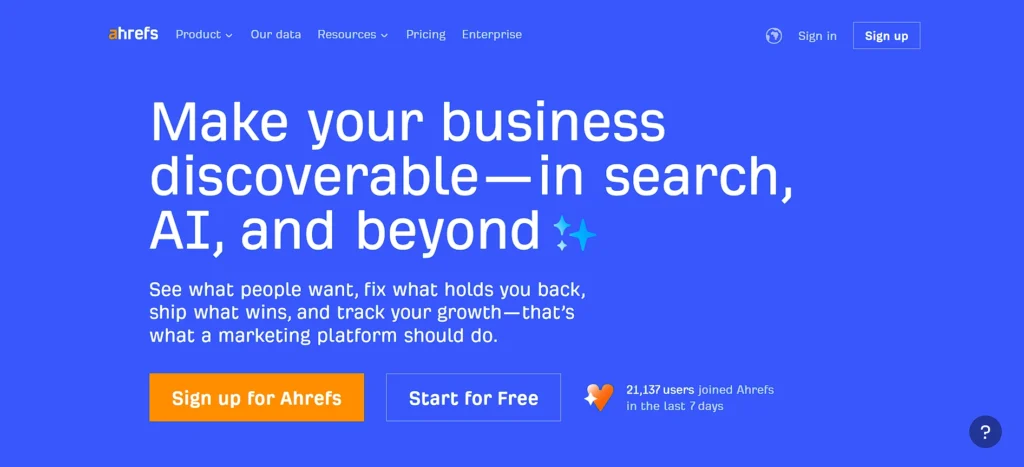
Ahrefs excels as one of the best SEO reporting software for businesses that prioritize backlink growth, content performance, and organic search visibility. Its powerful reporting tools provide detailed insights into link acquisition, ranking changes, keyword opportunities, and content effectiveness.
The platform’s clean interface makes complex SEO metrics easier to understand and communicate. Ahrefs helps agencies and in-house teams explain performance shifts through actionable data rather than isolated metrics. Historical trend reporting and competitive benchmarking further strengthen its value.
For organizations relying heavily on authority building and content marketing, Ahrefs delivers reporting that supports strategic SEO decision-making and measurable growth objectives.
Key Features:
- Comprehensive backlink reporting database
- Historical keyword trend analysis
- Content performance monitoring tools
- Automated rank tracking reports
- Competitive domain comparison metrics
- Custom reporting exports available
Pricing:
- Lite- $129 /mo
- Standard- $249 /mo
- Advanced- $449 /mo
Pros:
- Industry-leading backlink intelligence
- User-friendly reporting interface
- Excellent content reporting insights
Cons:
- Limited marketing integrations
- Higher-tier plans expensive
- Fewer white-label options
3. Agency Analytics — Best For White-Label Client Reporting
Website: https://agencyanalytics.com/
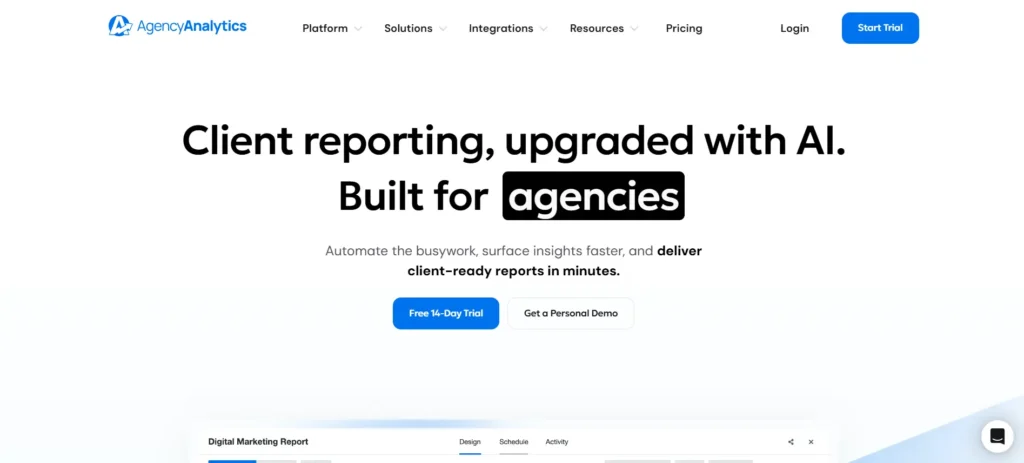
AgencyAnalytics is purpose-built for agencies managing multiple SEO clients and recurring reporting requirements. The platform emphasizes automation, white-label dashboards, and streamlined client communication. Users can consolidate SEO, PPC, analytics, and marketing metrics into branded reports delivered automatically.
Its extensive integrations reduce manual data collection while enhancing reporting efficiency. Agency Analytics enables agencies to present performance insights in a professional, client-friendly format without extensive customization work. The platform’s focus on operational efficiency makes it particularly valuable for growing agencies handling numerous accounts.
Teams seeking polished reporting workflows often choose AgencyAnalytics over traditional SEO research-focused tools.
Key Features:
- White-label reporting and dashboards
- Automated scheduled report delivery
- Multi-client campaign management
- Extensive third-party integrations available
- Custom branding implementation tools
- Goal tracking and monitoring
Pricing:
- Freelancer- $79/month
- Agency- $239/month
- Agency Pro- $479/month
Pros:
- Excellent client presentation features
- Strong automation capabilities
- Easy multi-client management
Cons:
- Limited advanced SEO research
- Premium plans scale quickly
- Fewer backlink analytics features
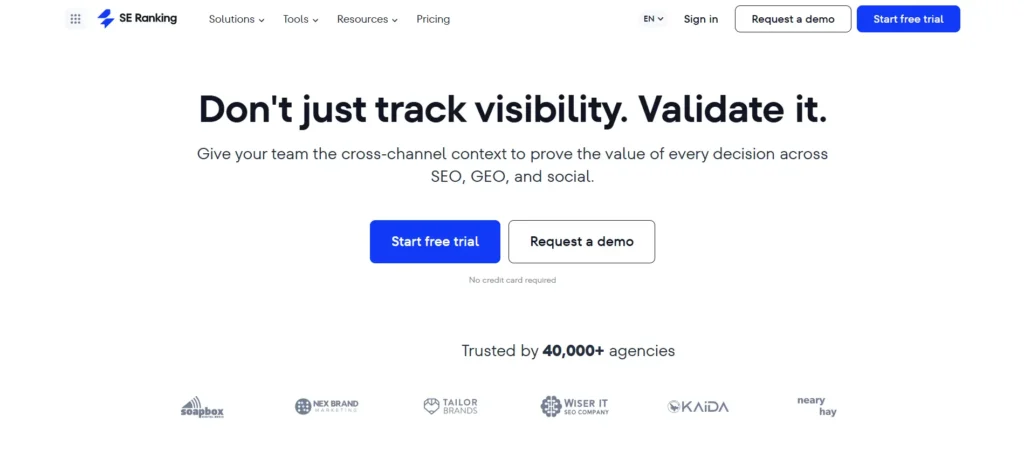
4. SE Ranking — Best For Budget-Conscious SEO Agencies
Website: https://seranking.com/
SE Ranking offers an impressive balance between affordability and comprehensive SEO reporting functionality. It combines rank tracking, website auditing, competitor monitoring, backlink analysis, and customizable reporting in a single platform.
SEO Agencies and small businesses benefit from its straightforward interface and scalable feature set. The platform’s reporting tools help users communicate performance improvements while identifying optimization opportunities. Daily ranking updates, white-label options, and broad international data coverage strengthen its appeal.
For organizations seeking a cost-effective alternative to premium enterprise platforms, SE Ranking provides substantial reporting capabilities without sacrificing essential SEO insights.
Key Features:
- Daily keyword position updates
- Comprehensive website audit reports
- Competitor visibility monitoring tools
- White-label reporting capabilities
- Backlink profile analysis features
- Automated report scheduling options
Pricing:
- Core- $129.00/mo
- Growth- $279.00/mo
Pros:
- Strong value for money
- Easy-to-use reporting system
- Broad SEO feature coverage
Cons:
- Smaller backlink database
- Enterprise features limited
- Fewer advanced integrations
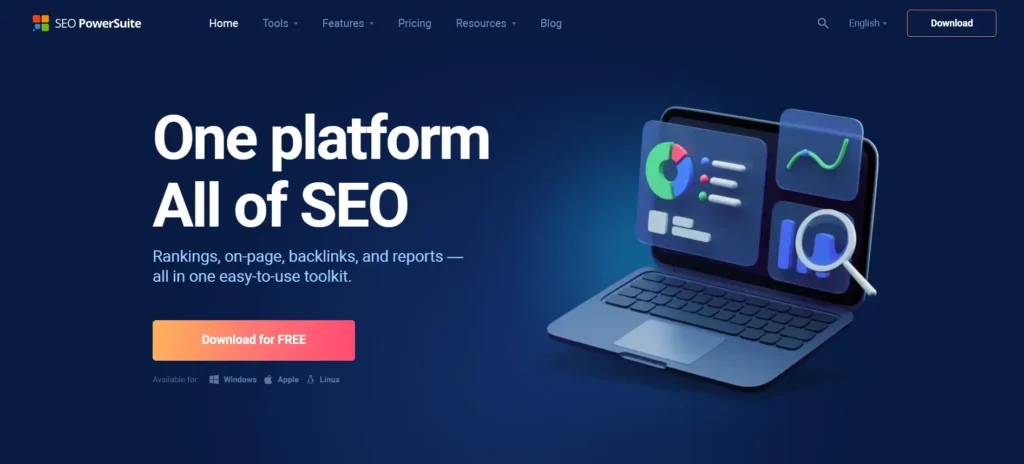
5. SEO PowerSuite — Best For Desktop-Based SEO Reporting Control
Website: https://www.link-assistant.com/
SEO PowerSuite is a comprehensive desktop SEO reporting software that combines rank tracking, website auditing, backlink analysis, and link management into a single platform. The software includes Rank Tracker, Website Audit, SEO SpyGlass, and LinkAssistant, allowing users to generate detailed SEO reports without relying entirely on cloud-based systems.
Its customizable reporting engine supports white-label reports, scheduled exports, and in-depth performance analysis. Businesses and agencies appreciate its unlimited tracking capabilities and cost-effective licensing model.
For professionals seeking greater control over SEO data and reporting workflows, SEO PowerSuite remains a strong and reliable choice.
Key Features:
- Unlimited keyword tracking capabilities
- White-label report customization options
- Comprehensive technical SEO auditing
- Advanced backlink analysis tools
- Schedulea report delivery support
- Multi-tool SEO management suite
Pricing:
- Professional- $29.10/mo
- Enterprise- $49.95/mo
- Max- $74.95/mo
Pros:
- Cost-effective compared to SaaS tools
- Extensive reportincustomization
- Unlimited project tracking
Cons:
- Desktop software requires installation
- Interface feels dated
- Resource-intensive on large projects
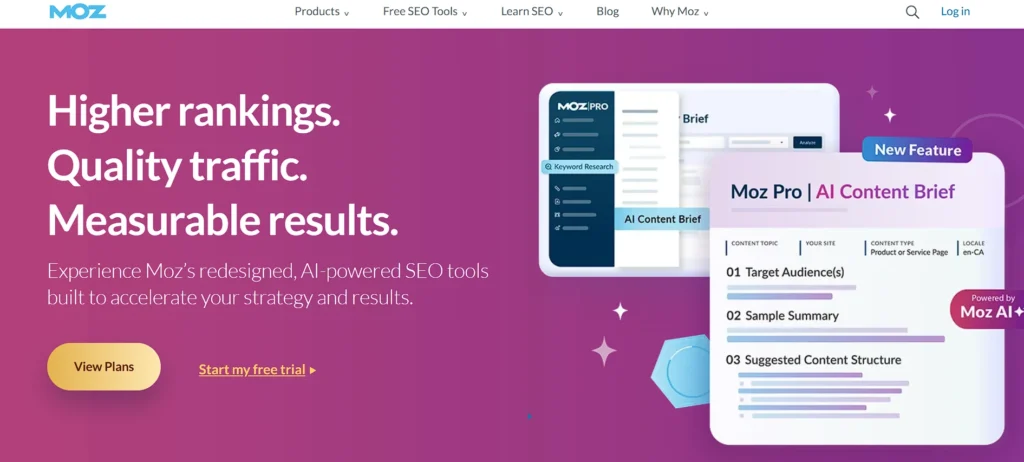
6. MozPro — Best For Beginner-Friendly SEO Reporting
Website: https://moz.com/
Moz Pro provides an accessible approach as SEO reporting software for businesses entering the search optimization space. Its intuitive dashboards simplify keyword tracking, site audits, and search visibility reporting.
Users can quickly identify opportunities and communicate results without navigating overly complex interfaces. Moz emphasizes clarity, making it suitable for marketing teams that require actionable insights without advanced technical expertise.
Reporting tools focus on the metrics most relevant to growth and visibility improvement. Organizations seeking a balance between usability and SEO functionality often find Moz Pro an effective solution for ongoing performance measurement and reporting.
Key Features:
- Simple keyword ranking reports
- Site crawl issue monitoring
- Link profile analysis tools
- Custom report generation features
- Competitor performance tracking metrics
- Search visibility score reporting
Pricing:
- Starter- $49USD / mo
- Standard- $99USD / mo
- Medium- $179USD / mo
- Large- $299USD / mo
Pros:
- Easy learning experience
- Clear reporting dashboards
- Reliable SEO fundamentals
Cons:
- Smaller data sets
- Fewer advanced features
- Limited enterprise capabilities
7. Screaming Frog SEO Spider — Best For Technical SEO Reporting

Website: https://www.screamingfrog.co.uk/seo-spider/
Screaming Frog is the preferred reporting solution for technical SEO professionals who need deep website crawl insights. It identifies broken links, redirects, duplicate content, metadata issues, indexing problems, and crawl inefficiencies.
Detailed exports allow teams to create highly actionable technical reports for stakeholders and development teams. Recent AI-powered enhancements further improve analysis capabilities. While not a traditional client-reporting platform,
Screaming Frog excels in generating data-rich technical SEO audits. Businesses focused on website health and search engine accessibility rely on its reporting outputs to prioritize fixes and improve organic search performance.
Key Features:
- Advanced website crawling capabilities
- Technical audit report generation
- Redirect analysis and reporting
- Metadata optimization insights available
- XML sitemap creation tools
- JavaScript rendering audit support
Pricing:
Paid license- £279/year
Pros:
- Exceptional technical insights
- Highly detailed reporting exports
- Cost-effective professional solution
Cons:
- Technical learning curve
- Limited client dashboards
- Not beginner focused
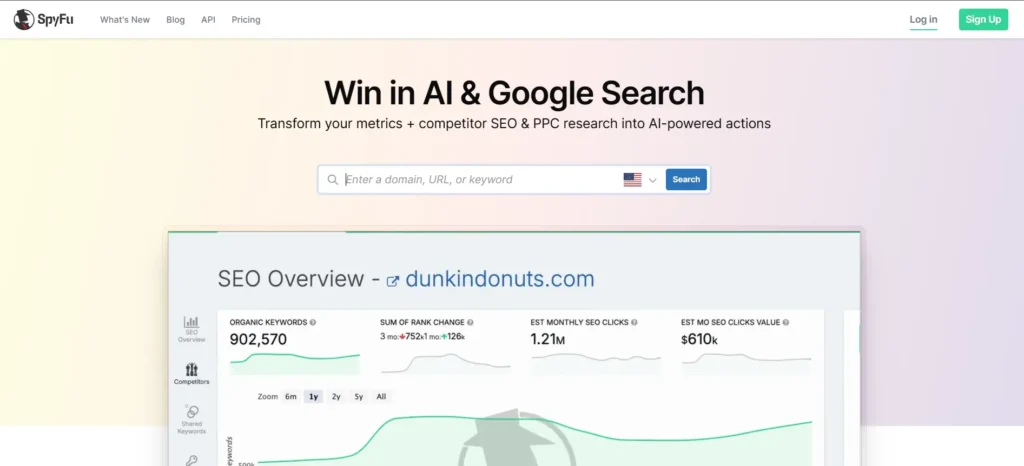
8. SpyFu — Best For Competitor Reporting Intelligence
Website: https://www.spyfu.com/
SpyFu specializes in competitor-focused SEO reporting, helping businesses understand rival keyword strategies, PPC campaigns, and organic search performance. Its reporting tools uncover opportunities by highlighting competitor successes and weaknesses. Historical data enables long-term trend analysis and strategic planning.
Marketers benefit from intuitive dashboards that simplify complex competitive insights. SpyFu’s affordability and emphasis on competitor intelligence make it particularly attractive for small businesses and agencies seeking strategic advantages.
Organizations looking to strengthen market positioning through data-driven reporting often find SpyFu an effective and budget-friendly option.
Key Features:
- Competitor keyword tracking reports
- Historical SEO performance data
- PPC and SEO insights
- Automated ranking monitoring tools
- Visual competitive analysis dashboards
- Keyword opportunity identification features
Pricing:
- Basic- $39/month
- Pro- $119/month
- Team / Agency- $249/month
Pros:
- Affordable subscription pricing
- Excellent competitor intelligence
- Easy-to-understand reports
Cons:
- Smaller feature ecosystem
- Limited technical SEO audits
- Fewer customization options
9. Raven Tools — Best for Multi-Channel Marketing Reporting
Website: https://raventools.com/
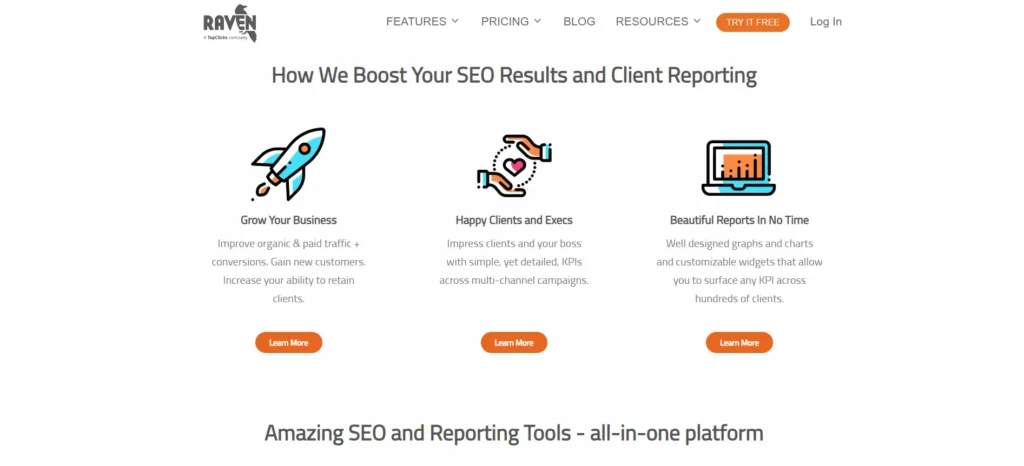
Raven Tools is a versatile SEO reporting software designed for agencies, consultants, and marketing teams managing multiple digital channels. It combines SEO, PPC, social media, and website analytics data into unified dashboards and automated reports.
Users can create professional white-label reports that simplify client communication and performance tracking. The platform offers keyword monitoring, backlink analysis, site audits, and competitor insights alongside broader marketing metrics. Its extensive integrations reduce manual reporting efforts and improve efficiency.
Businesses seeking a centralized solution for tracking SEO performance alongside other marketing activities often find Raven Tools a practical and scalable choice.
Key Features:
- Unified marketing performance dashboards
- White-label client reporting tools
- Automated report scheduling options
- SEO audit and monitoring
- Keyword ranking performance tracking
- Extensive third-party integrations
Pricing:
- Small Biz- $39/mo
- Start- $79/mo
- Grow- $139/mo
- Thrive- $249/mo
- Lead- $399/mo
Pros:
- Strong multi-channel reporting
- Excellent agency-focused features
- Wide integration ecosystem
- Digital Marketing Tools
Cons:
- Interface fees dated
- Backlink database less extensive
- Limited advanced AI features
10. Databox — Best for Executive SEO Dashboards
Website: https://databox.com/
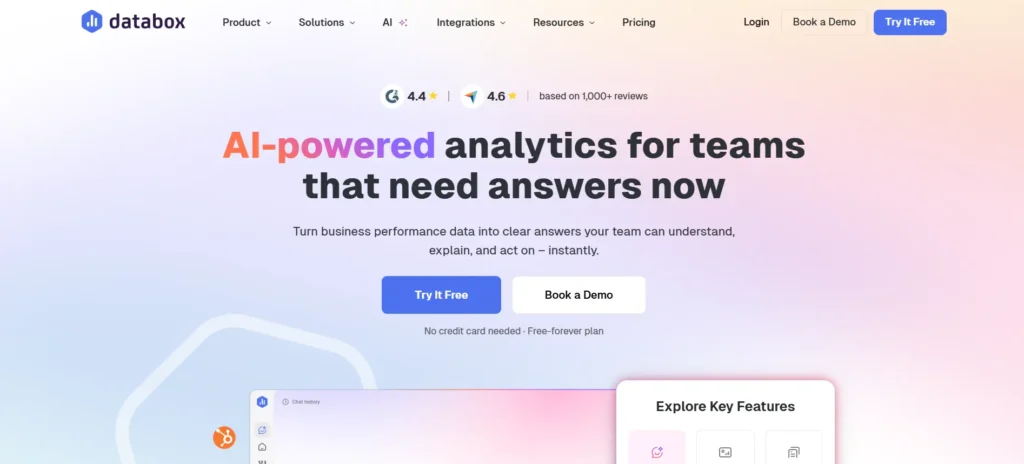
Databox specializes in transforming SEO and marketing data into visually engaging dashboards that support executive decision-making. The platform connects with numerous analytics, SEO, CRM, and marketing tools, allowing users to centralize performance metrics in one place.
Automated reporting and goal-tracking features help teams monitor progress without manual effort. Its intuitive interface makes complex SEO data easier to understand for stakeholders and management teams. Databox is particularly useful for organizations that prioritize KPI visibility, real-time monitoring, and performance accountability.
The platform enables businesses to make faster, data-driven decisions with confidence and clarity.
Key Features:
- Real-time KPI tracking dashboards
- Automated performance report generation
- Goal setting and monitoring
- Extensive platform integrations available
- Mobile dashboard accessibility features
- Custom metric visualization tools
Pricing:
- Individual- $54/mo
- Professional- $164/mo
- Business- $324/mo
- Standard- $499/mo
Pros:
- Excellent dashboard visualizations
- Strong integration capabilities
- Easy executive reporting
Cons:
- SEO features rely on integrations
- Advanced features cost extra
- Initial setup takes time
11. ReportGarden — Best For Agency Reporting Automation
Website: https://reportgarden.com/
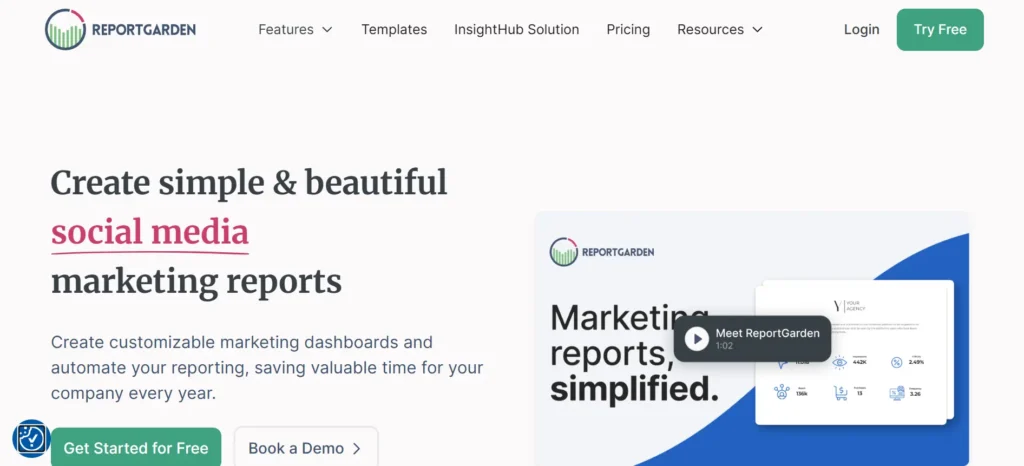
ReportGarden is a reporting and client management platform built primarily for marketing agencies handling multiple campaigns. It automates SEO, PPC, and digital marketing reports, helping agencies reduce manual work and improve operational efficiency.
The platform offers customizable dashboards, white-label reporting, and campaign performance tracking in a centralized environment. Users can generate professional reports quickly while maintaining brand consistency across client communications. ReportGarden also includes invoicing and client management tools, making it more than a standard reporting solution.
Agencies seeking automation, streamlined workflows, and improved reporting consistency often find significant value in its capabilities.
Key Features:
- Automated client report generation
- White-label reporting customization options
- Campaign performance monitoring tools
- Centralized marketing analytics dashboard
- Client management functionality included
- Scheduled report delivery system
Pricing:
$75/ month
Pros:
- Strong reporting automation
- Agency-focused workflow management
- Professional client presentation features
Cons:
- Limited SEO research tools
- Custom pricing lacks transparency
- Advanced customization restrictions
12. Whatagraph — Best For Visual Marketing Reporting

Website: https://whatagraph.com/
Whatagraph focuses on creating visually appealing reports that help agencies and marketing teams communicate performance effectively. The platform integrates data from SEO, PPC, social media, email marketing tools into unified dashboards.
Its drag-and-drop report builder simplifies report creation while maintaining a professional appearance. Automated reporting capabilities save time and ensure consistent stakeholder updates. Whatagraph is especially valuable for agencies presenting marketing results to clients who prefer clear visual summaries over technical data.
Organizations looking to improve report readability and presentation quality frequently choose Whatagraph as their preferred reporting platform.
Key Features:
- Visual dashboard reporting system
- Automated report delivery workflows
- Drag-and-drop report builder
- Multi-channel marketing integrations
- Custom branding capabilities available
- Stakeholder-friendly data visualization
Pricing:
- Start- 286$ per month
- Boost- 579$ per month
Pros:
- Highly visual reporting experience
- Easy report creation process
- Excellent client presentation quality
Cons:
- Premium pricing structure
- Limited deep SEO analysis
- Custom plans often required
13. DashThis — Best For Fast SEO Report Creation
Website: https://dashthis.com/
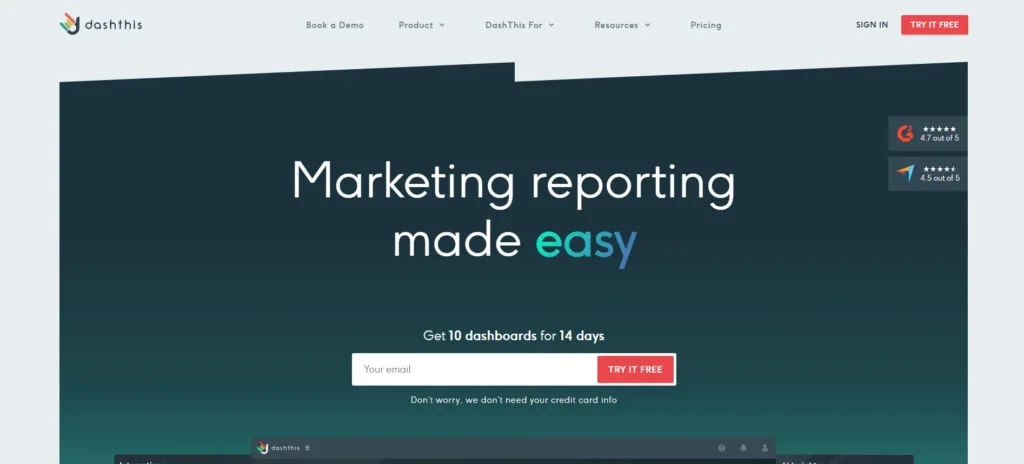
DashThis is designed for marketers and agencies that need professional reports without spending hours on setup and customization. The platform offers ready-made templates, automated data collection, and simple dashboard creation for SEO and digital marketing reporting.
Users can connect multiple data sources and generate client-ready reports quickly. White-label features enhance branding while automation reduces repetitive reporting tasks. DashThis emphasizes simplicity and efficiency, making it ideal for teams seeking streamlined reporting workflows.
Businesses that value quick implementation and easy-to-understand dashboards often select DashThis as a practical solution for ongoing SEO performance reporting.
Key Features:
- Ready-made dashboard templates available
- Automated data collection process
- White-label reporting capabilities included
- Multi-source marketing integrations
- KPI tracking and monitoring
- Quick dashboard deployment tools
Pricing:
- Individual- $54/mo
- Professional- $164/mo
- Business- $324/mo
- Standard- $499/mo
Pros:
- Fast implementation process
- User-friendly reporting interface
- Strong automation capabilities
Cons:
- Limited advanced SEO insights
- Fewer customization options
- Basic technical audit features
14. Sitechecker — Best for SEO Monitoring and Reporting

Website: https://sitechecker.pro/
Sitechecker combines SEO monitoring, auditing, rank tracking, and reporting into a single platform designed for businesses of all sizes. It continuously monitors website performance and alerts users to technical issues that may affect search visibility.
The reporting tools provide actionable insights on rankings, website health, and optimization opportunities. Its intuitive interface helps users understand SEO performance without requiring extensive technical expertise. Sitechecker also offers website audits, backlink monitoring, and competitor tracking capabilities.
Organizations seeking a balanced combination of monitoring, reporting, and optimization recommendations often find Sitechecker an effective and user-friendly SEO solution.
Key Features:
- Continuous website monitoring alerts
- SEO audit reporting tools
- Keyword rank tracking features
- Backlink monitoring capabilities available
- Competitor analysis and tracking
- Actionable optimization recommendations
Pricing:
- Basic- 99/ month
- Standard- 249/ month
- Premium- 449/ month
Pros:
- Strong website monitoring features
- Easy-to-use interface design
- Actionable SEO recommendations
Cons:
- Smaller integration ecosystem
- Limited enterprise functionality
- Advanced reports less customizable
SEO Reporting Software Comparison Table
| Software | Best For | White-Label Reports | Automation | SEO Audits | Competitor Analysis | Starting Price |
| Semrush | Enterprise SEO & Marketing Teams | Yes | Yes | Yes | Yes | $199/mo |
| Ahrefs | Backlink & Content AnalysisLimited | Limited | Yes | Yes | Yes | $129/mo |
| AgencyAnalytics | Client Reporting Agencies | Yes | Yes | Basic | Yes | $79/mo |
| SE Ranking | Budget-Conscious Agencies | Yes | Yes | Yes | Yes | $129/mo |
| Moz Pro | SEO Beginners | No | Yes | Yes | Yes | $49/mo |
| Screaming Frog SEO Spider | Technical SEO Audits | No | Limited | Yes | No | £279/year |
| SpyFu | Competitor Intelligence | Limited | Yes | Basic | Yes | $39/mo |
| Raven Tools | Multi-Channel Marketing Reports | Yes | Yes | Yes | Yes | $39/mo |
| Databox | Executive KPI Dashboards | Yes | Yes | No | Limited | $54/mo |
| ReportGarden | Agency Workflow Automation | Yes | Yes | Basic | Limited | $75/mo |
| Whatagraph | Visual Client Reporting | Yes | Yes | No | Limited | $286/mo |
| DashThis | Fast Report Creation | Yes | Yes | Basic | Limited | $54/mo |
| Sitechecker | SEO Monitoring & Reporting | Limited | Yes | Yes | Yes | $99/mo |
| SEO PowerSuite | Desktop SEO Reporting | Yes | Yes | Yes | Yes | $29.10/mo |
Who Should Use SEO Reporting Software?
SEO reporting software is valuable for anyone responsible for improving online visibility, measuring marketing performance, or demonstrating business results. From startups to large enterprises, these tools help transform SEO data into actionable insights and strategic decisions.
- Digital Marketing Agencies: Manage multiple clients efficiently through automated reports, white-label dashboards, and performance tracking that strengthens client relationships and retention.
- In-House Marketing Teams: Monitor SEO campaigns, organic traffic, and conversions while aligning search performance with broader marketing and business objectives.
- SEO Specialists: Track rankings, backlinks, technical issues, and optimization opportunities to improve search visibility and overall website performance.
- Small Business Owners: Understand online growth, monitor competitors, and make informed marketing decisions without requiring extensive SEO expertise.
- E-commerce Businesses: Measure product rankings, organic sales, and customer acquisition trends to maximize revenue from search traffic.
- Content Marketing Teams: Analyze content performance, keyword visibility, and audience engagement to refine content strategies and improve results.
- Freelancers and Consultants: Deliver professional reports, showcase measurable outcomes, and manage multiple projects more effectively for clients.
- Enterprise Organizations: Monitor large-scale SEO operations, multiple websites, and extensive keyword portfolios through centralized reporting systems and dashboards.
SEO Reporting Best Practices to Follow in 2026
As SEO becomes increasingly data-driven, reporting must go beyond ranking updates and focus on business impact. Following modern reporting best practices helps organizations make better decisions, improve transparency, and maximize the return on their SEO investments.
- Focus on Business Outcomes: Track leads, conversions, revenue, and customer acquisition metrics instead of relying solely on keyword rankings and traffic data.
- Automate Recurring Reports: Use automated reporting schedules to save time, reduce manual errors, and ensure stakeholders receive consistent updates.
- Monitor Competitor Performance: Regularly analyze competitor rankings, backlinks, and content strategies to identify opportunities and potential market threats.
- Create Audience-Specific Dashboards: Customize reports for executives, marketing teams, and clients so each audience receives relevant and actionable insights.
- Combine SEO and Business Data: Integrate analytics, CRM, and sales data to demonstrate how SEO contributes to overall business growth.
- Track Technical SEO Health: Monitor crawl errors, indexing issues, site speed, Core Web Vitals, and other technical factors continuously.
- Highlight Actionable Recommendations: Every report should include clear next steps that help teams improve performance and address identified issues.
- Leverage AI-Powered Insights: Use AI-driven analysis to uncover trends, predict opportunities, detect anomalies, and optimize SEO strategies more efficiently.
Final Thoughts
SEO reporting software is no longer a luxury for growing businesses—it is a necessity. In a competitive digital landscape where every marketing dollar must justify its return, relying on assumptions instead of data can be costly. The right reporting platform helps organizations measure performance accurately, identify opportunities faster, and connect SEO efforts directly to business outcomes such as leads, sales, and revenue growth.
However, the best tool is not always the one with the most features. Business leaders should prioritize solutions that provide reliable data, actionable insights, automation, and scalability. Whether you are a startup, agency, or enterprise, investing in effective SEO reporting tools can improve decision-making, increase accountability, and create a stronger foundation for sustainable long-term growth and competitive advantage.
