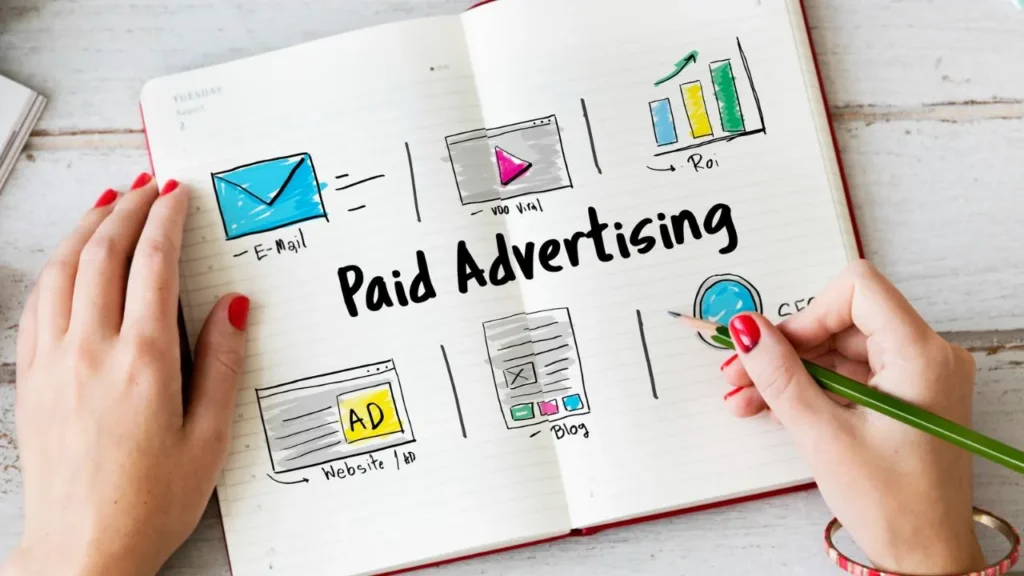
The PPC Advertising Platforms has transformed digital marketing in the sense that it provides companies with a specific avenue to find the target market at the very time they are seeking information on services or products. In contrast to traditional advertising approaches, where you pay regardless of whether your advertising works or not, PPC allows you to pay only when someone goes out of their way and clicks on your ad.
It is hard to overestimate the significance of PPC in the present-day competitive online environment. It generates extremely specific traffic, creates instant awareness, and yields quantifiable outcomes that may be optimized in real time, also. To businesses wishing to compete on the internet effectively, the PPC ad services are vital in acquiring customers as well as gaining revenue.
Choosing the best PPC platforms to include in this in-depth guide, all platforms were rated using a variety of key criteria: demographics and reach base, targeting capacity, variety of ad types, cost-effectiveness, ease of use, possible ways of integration, and the overall potential of ROI. All these aspects make the platforms presented here a valuable option to consider in terms of the value that businesses of various industries and different budgets can gain.
What is PPC Advertising & How It Works
PPC advertising is an online advertisement whereby the pay rate is agreed upon between the advertisers, and each time a user clicks the advertisement, the advertiser pays a fee, as agreed upon. Consider it as buying your visits to the site compared with trying to get the visits by optimizing your page on the search engines.
It starts when advertisers bid on certain keywords or audience segments suitable for their business. There is an automatic auction that takes place in milliseconds when users look through those keywords or fit the targeting requirements. The auction first takes into account some determinants, such as the price of the bid, the quality of an ad, the relevance of the landing page, and previous performance, to come up with the ads that appear and in what sequence.
After an ad is shown and clicked, the advertiser is charged the amount previously agreed upon, and the user gets redirected to a specific landing page. Such a system gives the business houses the assurance that they will only be charged after receiving a real engagement and not just as an impression.
PPC has different forms of advertisements to fit distinct marketing goals. Search ads are hosted in the search engine results and serve as targeted advertising to individuals who are in search of particular information. Display ads take advantage of visual tools such as pictures and videos on websites and applications to create brand awareness. Social media advertisements capitalize on the features of such platforms to capture users through their social spaces of choice. Remarketing advertisement is set around people who have visited the site before to help get them back. Shopping ads are adverts that appear as a product in search results with images, prices, and merchant details.
Also Read: All SMO Tools for Businesses & Digital Marketers
Benefits of Using PPC Advertising Platforms
PPC advertising platforms offer immediate visibility that organic methods simply cannot match.
1. Fast results: Whereas SEO has an impact within months, PPC campaigns are suited to driving traffic within a few hours after launch and hence are suited to new businesses, product launches, or time-sensitive promotions.
2. Precise targeting: The PPC platforms enable advertisers to reach audiences based on various kinds of search queries, demographic and interest categories, actions and behaviors, location, and device type, or even specific hours of the day, so advertisers should not waste budget by targeting the wrong people.
3. Measurable performance: In contrast to traditional advertising, PPC allows one to monitor, in real time, the number of clicks, conversions, and expenditures, which is a great benefit, facilitating the making of decisions based on data and constant optimization.
4. Budget flexibility: Advertisers will be able to invest little, employ daily limits on spending, and grow steadily. The campaigns may be stopped, edited, or expanded at any moment to have full control of the expenses.
Factors to Consider When Choosing a PPC Platform
Understanding your target audience is fundamental to platform selection.
Platform suitability: B2B businesses and companies tend to be successful in LinkedIn and Microsoft advertising, whereas B2C tend to be more successful in Facebook, Instagram, and Google Ads. Relevance to the industry is essential—visual products prosper on Pinterest and Instagram, whereas professional services will do well under search-oriented platforms.
Ad format alignment: Ad format availability should match marketing goals. Rich media platforms are a necessity as far as video content is concerned, whereas text-oriented services might suffice with the basic search advertisement. Think about whether you require product catalogs, lead forms, or interactive elements on your campaigns.
Pricing model differences: Pricing models differ between platforms. Others do cost-per-click bidding, whereas others rely on impressions or conversions. Understanding these helps predict costs and compare affordability.
Integration capabilities: Integration with existing marketing tools simplifies management and reporting. Platforms that integrate with CRM, email marketing, and analytics will save the tasks of administration and enhance data accuracy.
Targeting precision: Geographic and demographic targeting features affect audience reach. Global brands require internationally oriented platforms, whereas location-based targeting is more advantageous to local services.
Top 10 PPC Advertising Platforms
1. Google Ads
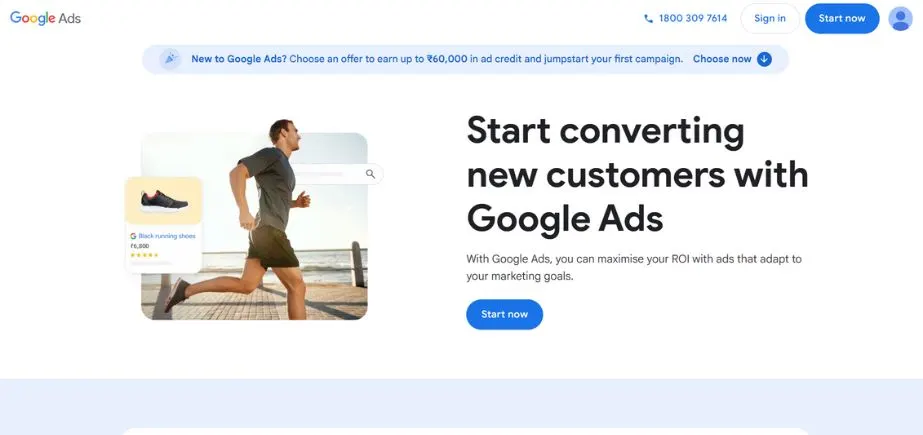
The most popular PPC advertising platform when it comes to PPC ads is Google Ads, where an organization can post an advertisement on Google search results, partner sites, and YouTube. It supports keyword targeting, audience targeting, and various ad formats available, such as text, display, video, or shopping ads. It has a wide coverage, making it visible to billions of users across the globe. Advertisers can track clicks or conversions and the ROI in real time with detailed analytics. Google Ads is also more useful in search intent marketing; therefore, it is ideal for every size of business.
Global Reach:
8.5 billion searches per day across 190+ countries
Ad Types:
Search ads, Display ads, Shopping ads, Video ads, App ads, Smart campaigns
Pros:
- Massive audience reach covering virtually all internet users
- Advanced targeting options including demographics, interests, and custom audiences
Cons:
- High competition leading to expensive keyword costs
- Complex interface requiring significant learning curve for beginners
Website:
ads.google.com
2. Microsoft Advertising (Bing Ads)
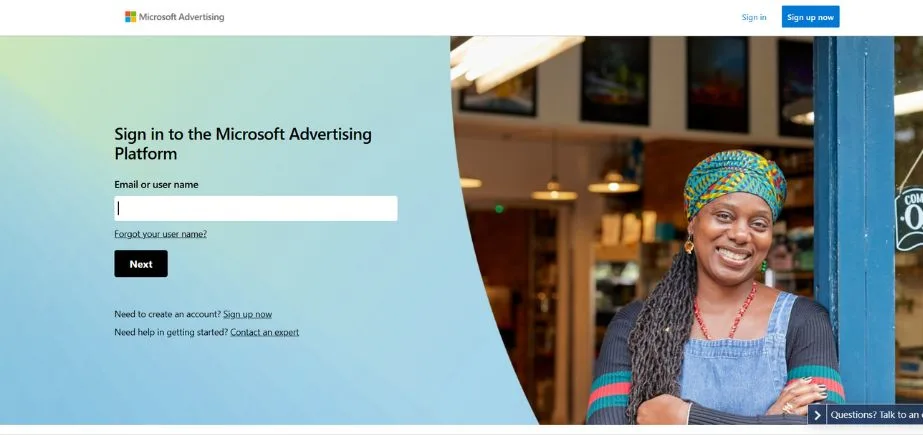
Microsoft Advertising (originally Bing Ads) allows companies to place their ads on the Bing, Yahoo, and AOL search engines. Although its target market is smaller than that of Google, it is usually faster at achieving higher conversion rates at lower costs. It has keyword targeting, segmentation of users based on demographics, and LinkedIn profile targeting to achieve a specific audience according to B2B. It also has further reach as it works together with Microsoft products such as Outlook and MSN. Detailed analytics and flexible budgeting are very useful factors that favored advertisers and, therefore, are a powerful alternative or complement to the Google Ads service, mainly when trying to reach professional audiences.
Global Reach:
1.4 billion monthly users across 190+ countries, 33% market share in US search
Ad Types:
Search ads, Shopping ads, Dynamic search ads, Audience ads, Import campaigns
Pros:
- Lower cost-per-click rates due to reduced competition
- Older, higher-income demographic with strong purchasing power
Cons:
- Significantly smaller audience reach compared to Google
- Limited advanced features and targeting options
Website:
ads.microsoft.com
3. Facebook Ads
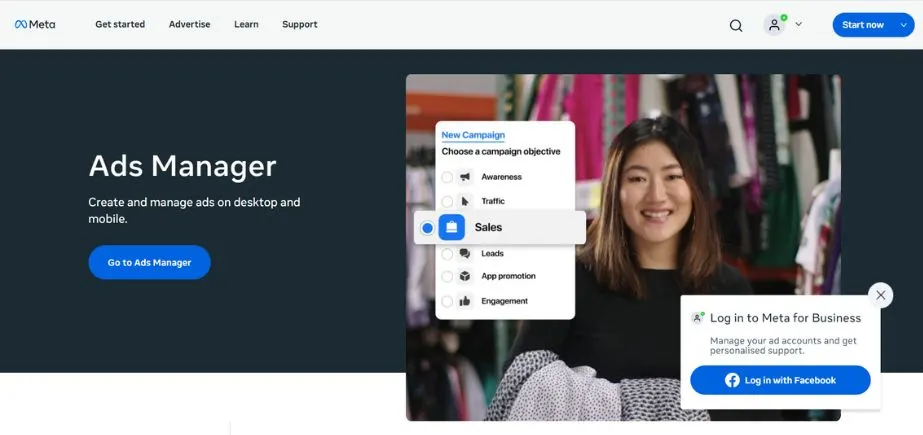
Facebook Ads is a targeted mechanism of advertising within Messenger and Audience Network. Advertisers are able to target certain people with large-scale demographic-based, interest-based, and behavior-based targeting. There are the ad formats: image ads, video ads, carousel ads, and lead forms, and one has flexibility in creating a campaign. Detailed analytics help measure engagement, conversions, and ROI. It has a huge user base, which qualifies it as being appropriate in both the B2B and B2C campaigns. Facebook Ads can be especially useful in lead generation campaigns as a retargeting strategy or brand awareness because they have powerful audience segmentation capabilities.
Global Reach:
3 billion monthly active users across 190+ countries
Ad Types:
Image ads, Video ads, Carousel ads, Collection ads, Instant Experience ads, Lead ads
Pros:
- Detailed demographic and behavioral targeting capabilities
- Strong visual ad formats perfect for brand building
Cons:
- Increasing ad costs due to growing advertiser competition
- Privacy updates affecting tracking and attribution accuracy
Website:
facebook.com/business
4. Instagram Ads
Instagram Ads provides rich visual advertisements across users’ feeds, Stories, Reels, and on the Explore page. It accommodates many types of formats, including photos, videos, carousels, and shopping tags; hence, it is perfect when promoting lifestyle products and brands with a visual appeal. Precision targeting by means of Facebook Ads Manager is harnessed by socializing the intended audience. Instagram can be used to increase brand presence, online traffic, and sales due to its significant level of engagement. Being the platform with an emphasis on creative visuals and influencer collaboration, it is popular with the fashion, beauty, and lifestyle brands.
Global Reach:
2 billion monthly active users across 190+ countries
Ad Types:
Photo ads, Video ads, Carousel ads, Stories ads, Reels ads, Shopping ads
Pros:
- Highly engaged younger audience with strong visual preferences
- Seamless shopping integration driving direct sales
Cons:
- Limited text space requiring concise messaging
- Heavy focus on visual content may not suit all business types
Website:
business.instagram.com
5. LinkedIn Ads
LinkedIn Ads belongs to the top B2B marketing platforms providing PPC advertising services and targeting professionals based on job title, industry, company size, etc. Ad Examples are sponsored postings, text adverts, video adverts, and InMail adverts. It works out excellently in lead gen, event promotion, and thought leadership campaigns. The professional nature of the audience of LinkedIn makes it conducive to such industries as SaaS, finance, and Consulting. Although it may be more expensive, its accuracy, targeting, and high-quality leads also provide a good return to businesses that seek to reach the decision-makers and professionals within that industry.
Global Reach:
900 million members across 200+ countries and territories
Ad Types:
Sponsored Content, Message ads, Dynamic ads, Text ads, Spotlight ads, Follower ads
Pros:
- Access to high-quality B2B audience with detailed professional information
- Superior lead quality for business-focused products and services
Cons:
- Higher cost-per-click compared to other social media platforms
- Smaller overall audience size limiting reach potential
Website:
business.linkedin.com
6. Twitter (X) Ads
Twitter (X) Ads allows real-life engagement using promoted tweets, accounts, and trends. It can be targeted at demographics, interests, keywords, and follower look-alikes. Twitter Ads is best suited when launching a product, promoting a trendy topic, or an event. Ad formats include image, video, carousel, and website cards. Advertisers have the ability to track impressions, clicks, and engagement with detailed analytics. It is focused on quick and current marketing, and this is what makes it a worthwhile platform for brands that want to reach their audiences at cultural and industry moments.
Global Reach:
450 million monthly active users across 100+ countries
Ad Types:
Promoted Tweets, Promoted Accounts, Promoted Trends, Website Cards, App Cards, Conversation Cards
Pros:
- Real-time engagement opportunities during trending events
- Cost-effective reach for awareness campaigns
Cons:
- Declining user base and engagement since platform changes
- Limited ad format variety compared to other social platforms
Website:
ads.x.com
Read More: Best Digital Marketing Companies in Delhi
7. YouTube Ads
YouTube Ads is a video-based advertising program through Google Ads that provides advertising opportunities every day to billions of consumers. These are in the form of skippable and non-skippable advertisements, bumper advertisements, and overlay text advertisements. Targeting can be demographics, interests, keywords, and placements on certain channels. YouTube works well to tell stories, present demonstrations of products, and build brand awareness. Its huge reach and visual interaction qualify it to be used in consumer as well as in B2B marketing. Granular performance data enables advertisers to optimize their strategies and get maximum ROI on video campaigns.
Global Reach:
2.7 billion monthly active users across 100+ countries
Ad Types:
TrueView ads, Bumper ads, Discovery ads, Shorts ads, Masthead ads, Outstream ads
Pros:
- Engaging video format driving higher emotional connection
- Access to Google’s sophisticated targeting and measurement tools
Cons:
- Higher production costs for quality video content
- Ad-blocking software potentially limiting reach
Website:
ads.youtube.com
8. Amazon Advertising
Amazon Advertising gives sellers an opportunity to advertise products directly inside Amazon search emails, product pages, and display networks. The ad formats incorporate the use of sponsored products, sponsored brands, and display advertisements. Targeting where there is purchase intent data is great in affecting sales. The biggest customer base available at Amazon guarantees good visibility for the retail brands. Advertisers are capable of managing budgets, tracking conversions, and real-time campaign optimisation. It is especially effective among e-commerce organizations that want to run over the search results and find sellers willing to spend their money.
Global Reach:
310 million active customer accounts across 20+ countries
Ad Types:
Sponsored Products, Sponsored Brands, Sponsored Display, Video ads, Audio ads, Custom ads
Pros:
- Access to high-intent shoppers ready to make purchases
- Detailed product and purchase data for precise targeting
Cons:
- Limited to businesses selling physical products
- Increasing competition driving up advertising costs
Website:
advertising.amazon.com
9. Pinterest Ads
Pinterest Ads is visual-based, and therefore it would be right to use it in lifestyle, fashion, home decor, and DIY brands. Promoted Pins appear in the user feed and search results. Ad formats include standard, carousel, video, and shopping ads. The potential of conversion is as high as users of Pinterest are usually browsing with the intention of making a purchase. Detailed targeting options include keywords, interests, and demographics. The long life of written material on the platform also results in ads gaining repetitive traffic and engagement, providing long-term marketing benefit.
Global Reach:
450 million monthly active users across 70+ countries
Ad Types:
Promoted Pins, Shopping ads, Video ads, Carousel ads, Try-on ads, App Install ads
Pros:
- Long content lifespan with pins continuing to drive traffic over time
- Users actively seeking purchase inspiration and ideas
Cons:
- Predominantly female user base limiting audience diversity
- Slower conversion timelines as users collect ideas over time
Website:
ads.pinterest.com
10. TikTok Ads
The short-form video format of TikTok makes the platform a powerful ad platform where campaigns can be presented in a very engaging form. According to the ad options, ads can be in-feed, branded hashtags, TopView, and branded effects. Advanced targeting covers demographics, interests, behaviors, and look-alike audiences. The algorithm of TikTok focuses on content discovery, providing brands with an opportunity to become viral fast. It is particularly powerful with younger viewers and lifestyle brands wishing to be creatively high-energy promoted. TikTok Ads allow brands to increase awareness, traffic, and enable user-generated content with good engagement rates and popular content formats.
Global Reach:
1 billion monthly active users across 150+ countries
Ad Types:
In-Feed ads, Brand Takeover, TopView ads, Branded Hashtag Challenge, Branded Effects, Spark ads
Pros:
- Rapidly growing younger audience with high engagement rates
- Viral content potential creating exponential reach opportunities
Cons:
- Uncertain regulatory environment potentially affecting platform availability
- Requires understanding of platform-specific content styles and trends
Website:
ads.tiktok.com
Emerging PPC Platforms to Watch
A number of new PPC advertising platforms are growing in popularity among progressive marketers who are interested in gaining an advantage over their competitors and audiences that have not yet been explored. Quora Ads enables business owners to connect with the kind of users based on the questions and interests they have; thus, they will be able to reach the highly engaged audiences who are in need of detailed information. Reddit Ads can target obsessive, like-minded groups devoted to a common subject, and it has the ability to precisely target audiences using subreddit activities and similar interests.
Snapchat has further developed its advertising platform, adding new augmented reality functions and an impressive young audience. Spotify Ad Studio also offers audio advertising that will be delivered to users when they are streaming music. The platforms may be less competitive and costly than existing networks, and therefore, early adoption can be quite profitable.
Testing new ad networks early provides several strategic advantages. A decrease in competition will usually lead to less expenditure on ads and better ad placements. Early adopters will be provided with stronger support and beta access to new features. Also, the creation of presence on platforms in their infancy puts businesses in a favorable position as their audiences increase.
PPC Advertising Best Practices for Maximum ROI
1. Keyword research—Find words that characterize your target demographics, knowing the look of target keywords with a purpose in mind. Before launching campaigns, run such tools as search volume, competition, and cost analyses.
2. Ad copywriting—Write headlines that should be simple and assert value, using target keywords. Write descriptions for most pain points and include good calls to action. For visual ads, use high-quality, brand-consistent images or videos.
3. A/B testing—Test headlines, descriptions, visuals, targeting, and landing pages individually. Conduct tests to a statistical level of significance and use the lessons of the past in future campaigns.
4. Conversion tracking and bid optimization—Use tracking codes to monitor results. Bid up high performers and down low performers. Adjust regularly to maintain profitability.
Conclusion
The most effective PPC advertising platforms selection will require you to understand your target audience, marketing objectives, budget, and resources. Google Ads can be used to reach more people, and it is the most sophisticated advertising platform that can be used, but sometimes the smaller platforms work better, as they are cheaper and have fewer competitors, especially when targeting certain types of people.
The most effective PPC plans use a maximum number of platforms in a strategic way, taking advantage of what each platform can provide, without losing consistency of message and brand. Begin with a single or two platforms that best fit your target audience, then build by going steady, as you can call it, and become an expert and feel good.
You should keep in mind that PPC advertising involves learning, testing, and optimization. The functionality of the platforms is continuously updated, user patterns transform, and competition changes. So as not to lose competitive advantages, be aware of new releases, technology changes, and opportunities in the industry.
Once you have decided to start PPC, you can begin with a single prominent platform based on your target and goals. Learn how to use its features, and learn how to optimize them prior to extending to the other channels. The power of PPC advertising can be incredible when used to grow business and acquire customers patiently and through persistence, using data-driven decision-making.
FAQs
1. What is a PPC advertising platform?
A PPC advertising platform refers to a service, e.g., Google Ads or Facebook Ads, on which the advertiser pays nothing when a user clicks on their advertisement. These systems offer targeting tools, budget management, and performance monitoring tools.
2. What PPC would suit my business most?
The ideal platform will be based on your intended audience and objectives. As an example, to advertise on search intent, Google Ads are perfect; to advertise B2B, LinkedIn Ads are excellent; and to promote visual and lifestyle brands, Instagram or TikTok Ads will be perfect.
3. What does PPC advertising cost?
The pricing is dependent on the platform, the industry, competition, and the targeting preferences. Advertisers are able to place daily or campaign budgets and adjust keyword- or audience-based bids.
4. Do I have to be able to run PPC advertising on various platforms simultaneously?
Yes, in fact, most businesses include a variety of platforms to increase outreach and geographic variety in traffic. It is important to manage them concurrently, and to do so, the monitoring and optimization have to be done on a consistent basis to make it cost-effective.
5. What are ways of measuring PPC campaign success?
The performance is monitored using the metrics of click-through rate (CTR), conversion rate, cost per click (CPC), return on ad spend (ROAS), and the campaign ROI.
Continue Exploring: Best SEO Reporting Software
