
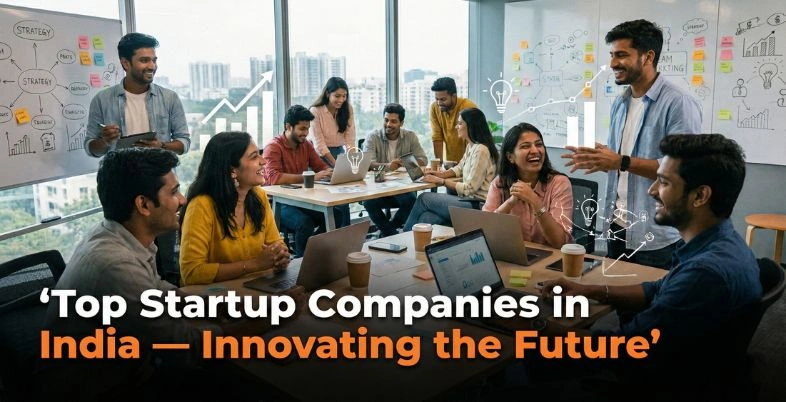
India is no longer a place of job seekers alone it is a place of job makers. Startups have been slowly integrated into our lives since the ordering of food at midnight down to the investing of stocks with a simple button press. These apps and platforms come with the bold ideas that come with the late night hustles and founders who decided to go with the idea of starting something.
The best thing about Indian startups is that most of them provide solutions to very Indian issues, money free, cheap education, cheap travel, speedy deliveries and small sellers getting online. Others began with little to no more than an apartment, others with little more than a hostel, yet others with little more than a laptop and faith. They are making billions of dollars and today they are competing at the global level.
In this article, we discuss the 15 best startup companies in India that transformed the industries, made enormous influence, and gave a new generation of entrepreneurs the impetus to work. Be it a student, a working professional or a person with the idea of starting up your own business, these stories will make you realize what can be done when you combine innovation with determination.
Why Indian Startups Are Growing So Fast
- The number of internet users in India is very high, and a business can easily access millions of customers within a short period of time through online marketing.
- Low cost of smartphones and low cost data has opened online services in even the tier-2 and tier-3 cities.
- Most Indian startups are also concerned with local solutions like digital payments, delivery, access to education, and low-cost solutions.
- The augmented investment by both domestic and international investors has assisted start ups to grow at a quicker rate and also internationalize.
- Government policies, programs of starting up, and incubators have lowered the barriers to entry of new entrepreneurs.
What Makes These Startups Stand Out from the Rest
- These new ventures develop products which are very simple, cheap and tailor made to the Indian consumers.
- Good and efficient technology infrastructure enables them to process a great number of users and quick growth.
- Founders tend to be extensive in their knowledge of the industry and actively involved in product development.
- Mixed models of revenue also help to lessen the reliance on an income source.
- They are ahead of the competitors in the market because of continuous innovation and rapid adaptation to market changes.
List of 15 Best Startup Companies In India
1. Flipkart
- Founder: Sachin Bansal, Binny Bansal
- Year Founded: 2007
- Approx Revenue: ₹55,000–60,000 crore annually
- Website: https://www.flipkart.com
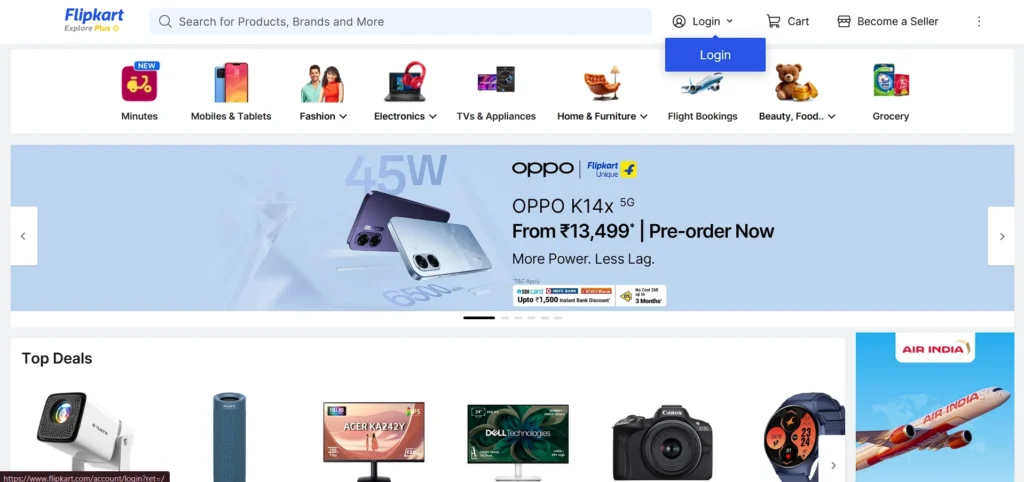
Flipkart is among the most classic success stories of startups in India and is widely said to have influenced the e-commerce environment of the nation. Initially, it was an online bookstore but it was rapidly growing into a full-fledged marketplace that provides electronics, fashion, groceries, and home necessities. One of the ways in which Flipkart transformed the shopping behavior of the Indian consumers was through its introduction of cash-on-delivery, painless returns and colossal festival sales.
Flipkart has developed a good logistics and supply chain network over the years, which is by the Ekart name that has allowed the company to deliver goods at a faster and more reliable rate throughout India. Its purchase by Walmart also enhanced its international support as well as enabling Flipkart to be left to operate alone in the Indian market. It is still a powerhouse competing with the international players today.
Key Services:
- Electronics, fashion and home products marketplace online.
- Own labels and special brand alliances.
- Supply chain and logistics services through Ekart.
- Online payments and convenient EMI.
- Massive seasonal and festive sales.
Why Are They Profitable
- High transaction volumes across multiple product categories
- Strong private-label margins
- Efficient in-house logistics reducing delivery costs
- Backing from Walmart enabling scale and cost optimization
- Massive customer base with repeat purchases
2. Paytm
- Founder: Vijay Shekhar Sharma
- Year Founded: 2010
- Approx Revenue: ₹8,000–9,000 crore annually
- Paytm: https://paytm.com
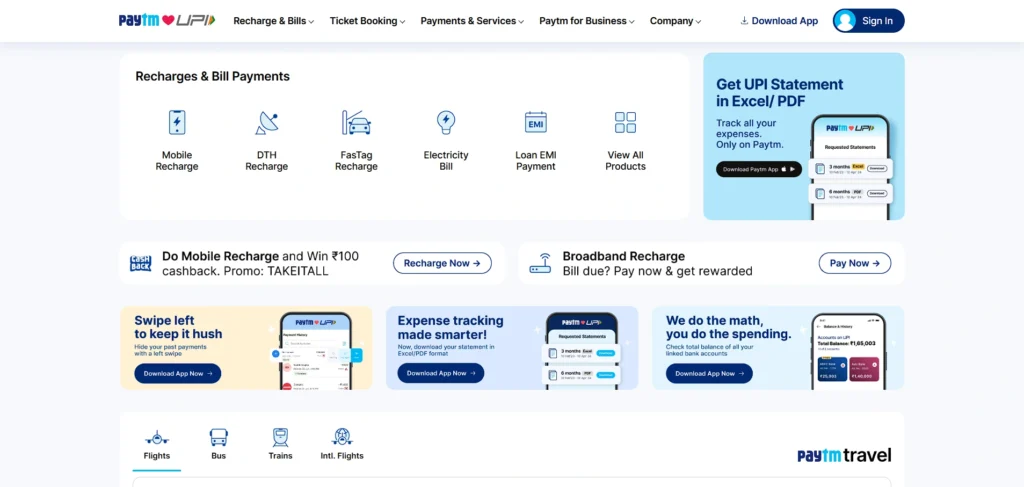
Paytm started as a mobile recharge system and, within a short period of time, became the biggest digital payment system in India. It is one of the most successful startup companies in India and became extremely popular in the era of India’s digital payments boom because it provides easy and safe transactions in the wallet. Paytm is used by millions of merchants and consumers today to support them with UPI payments, QR-based transactions, and online financial services.
In addition to payments, Paytm has entered the banking, lending, insurance, and wealth management markets. Its super-app product enables people to handle various financial requirements within a single platform. Although competition is high in the fintech sector, Paytm is a household brand, and one of the champions of the cashless economy in India.
Key Services:
- Electronic cash and card payments.
- Merchant POS and QR solutions.
- Savings products and banking.
- Lending and credit services
- Insurance and investment services.
Why Are They Profitable
- Commission from merchant transactions
- Interest and fee-based income from lending
- Cross-selling financial products to existing users
- Large merchant ecosystem driving steady revenue
- Strong brand trust in digital payments
3. BYJU’S
- Founder: Byju Raveendran
- Year Founded: 2011
- Approx Revenue: ₹5,000–6,000 crore annually
- BYJU’S: https://byjus.com
The case of BYJU in India transformed learning in India and made it technology-driven and interactive learning. The site is based on interactive video tutorials and individualized learning tracks that can enable pupils to grasp complicated material without difficulty. It turned into one of the most valuable edtech startups in the world by responding to the increasing demand of online education.
The company has gone international by buying and product diversification in the fields of K-12 education, competitive examination, and professional upskilling. Even though the edtech industry has been struggling in recent times, BYJU remains a force that affects the way students learn in the digital era.
Key Services:
- Learning through video online video courses.
- K-12 and competition examination preparation.
- Individualized learning trajectories.
- Global acquisitions of edtech.
- Skills and test preparation courses.
Why Are They Profitable
- Subscription-based revenue model
- High demand for quality education
- Premium pricing for personalized learning
- Global expansion is increasing revenue streams
- Strong brand recognition among parents and students
Suggest Read:-
4. Ola
- Founder: Bhavish Aggarwal
- Year Founded: 2010
- Approx Revenue: ₹2,500–3,000 crore annually
- Ola: https://www.olacabs.com
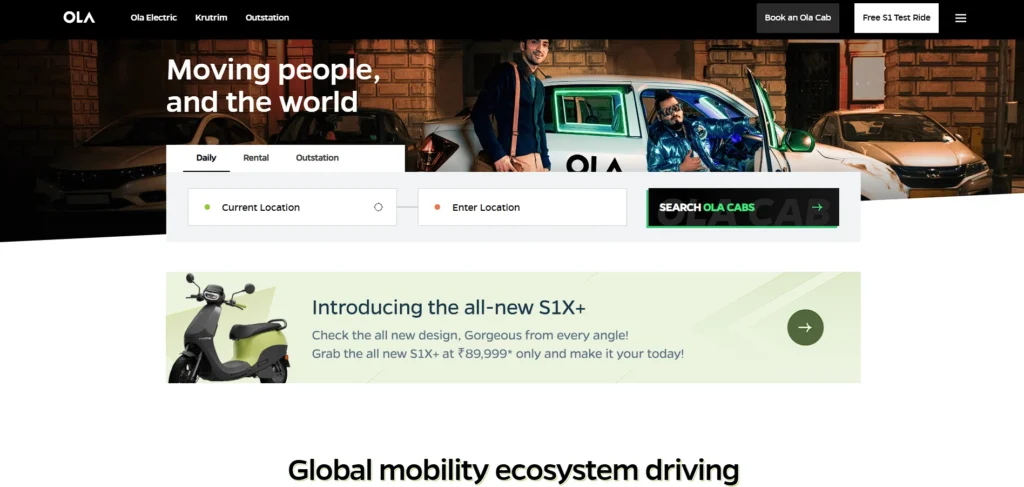
Ola, one of the leading startup companies in India, transformed urban transportation in India by making ride-hailing affordable and accessible. Starting with cab aggregation, the company expanded into auto-rickshaws, bike taxis, and intercity travel. Ola became a preferred choice in smaller cities by offering flexible pricing and local driver partnerships.
In addition to mobility services, Ola ventured into electric vehicles through Ola Electric, aiming to support sustainable transportation. With strong investments in EV manufacturing and infrastructure, Ola is positioning itself as a future-ready mobility company beyond just ride-hailing.
Key Services:
- Cab booking services
- Rides on auto-rickshaws and bike taxis.
- Intercity travel services
- Corporate transportation solutions.
- An electric car marketplace through Ola Electric.
Why Are They Profitable
- Commission on every ride booked
- High ride frequency in urban areas
- Asset-light business model
- EV vertical creates long-term cost advantages
- Strong presence in tier-2 and tier-3 cities
5. Zomato
- Founder: Deepinder Goyal
- Year Founded: 2008
- Approx Revenue: ₹12,000–13,000 crore annually
- Zomato: https://www.zomato.com
Zomato started as a restaurant discovery platform and evolved into one of India’s largest food delivery companies. It allows users to explore restaurants, read reviews, order food online, and access dining offers. Zomato played a major role in organizing the unstructured food delivery market in India.
The company later expanded into quick commerce, cloud kitchens, and event-based dining services. Its strong focus on data, logistics, and customer experience helped it scale rapidly across cities. Zomato is now a publicly listed company and continues to innovate in the food-tech space.
Key Services:
- Food ordering and delivery via the Internet.
- Reviews and discovery of restaurants.
- Cloud kitchen partnerships
- Fast business and immediate delivery.
- Food and extravagant services.
Why Are They Profitable
- Commission from restaurant partners
- Delivery fees and surge pricing
- Advertising revenue from restaurants
- High user retention and order frequency
- Scalable tech-driven logistics
6. Swiggy
- Founder: Sriharsha Majety, Nandan Reddy, Rahul Jaimini
- Year Founded: 2014
- Approx Revenue: ₹11,000–12,000 crore annually
- Swiggy: https://www.swiggy.com
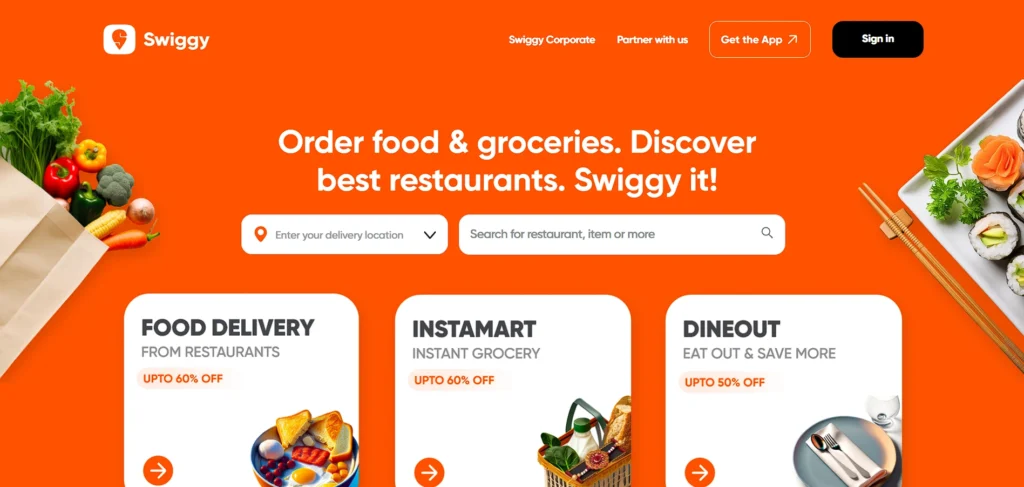
Swiggy started as a hyperlocal food delivery platform and quickly became a major competitor among startup companies in India in the food-tech space. Its strong focus on delivery speed, customer experience, and technology-driven logistics helped it scale rapidly across metro and non-metro cities. Swiggy introduced innovations like live order tracking and optimized delivery routing.
Over time, Swiggy diversified beyond food delivery into grocery and quick commerce through Instamart, addressing everyday consumer needs. The company has invested heavily in dark stores, supply chain efficiency, and last-mile delivery, making it a strong player in India’s on-demand economy.
Key Services:
- E-Food ordering and delivery.
- Fast grocery delivery with Instamart.
- Restaurant cloud kitchen enablement.
- Last-mile delivery management and logistics.
- Membership plans of regular users.
Why Are They Profitable
- High order volumes across metro and non-metro cities
- Commission from restaurant partners
- Delivery and convenience fees
- The rapid growth of Instamart is increasing the average order value
- Strong logistics optimization and route efficiency
7. Razorpay
- Founder: Harshil Mathur, Shashank Kumar
- Year Founded: 2014
- Approx Revenue: ₹2,000–2,500 crore annually
- Razorpay: https://razorpay.com
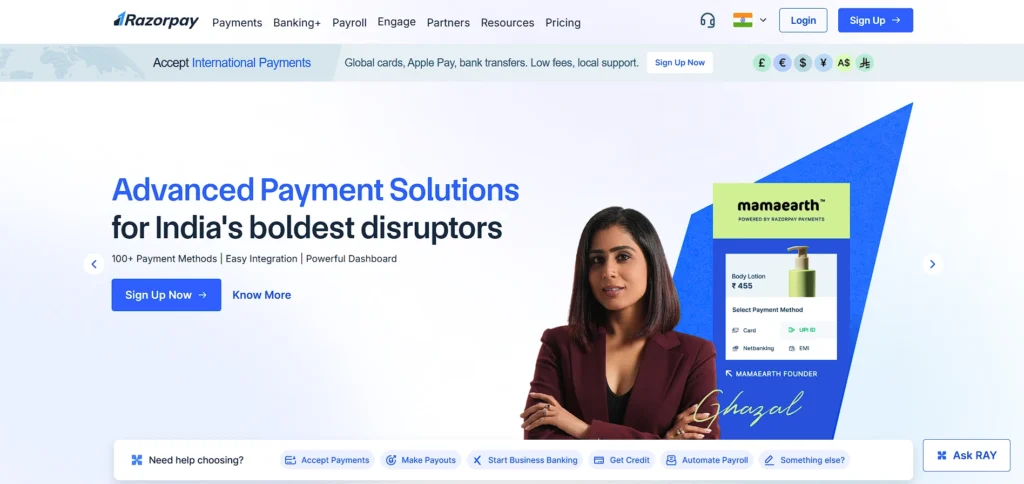
Razorpay is one of India’s leading fintech startups, providing payment solutions to businesses of all sizes. It simplified online payments by offering easy integration, multiple payment options, and seamless checkout experiences for merchants. Razorpay became especially popular among startups and SMEs for its developer-friendly APIs.
Beyond payment gateways, Razorpay expanded into neobanking, payroll, lending, and business banking solutions. By addressing the end-to-end financial needs of businesses, Razorpay positioned itself as a complete financial operating system for Indian enterprises.
Key Services:
- Online payment gateway solutions.
- Business banking products and neobanking applications.
- Employee payment systems and payroll systems.
- Business lending and credit products.
- Billing and subscription management.
Why Are They Profitable
- Transaction-based fees from merchants
- High adoption among startups and SMEs
- Multiple revenue streams beyond payments
- Strong customer retention due to ecosystem lock-in
- Scalable SaaS-based infrastructure
8. PhonePe
- Founder: Sameer Nigam, Rahul Chari, Burzin Engineer
- Year Founded: 2015
- Approx Revenue: ₹3,500–4,000 crore annually
- PhonePe: https://www.phonepe.com
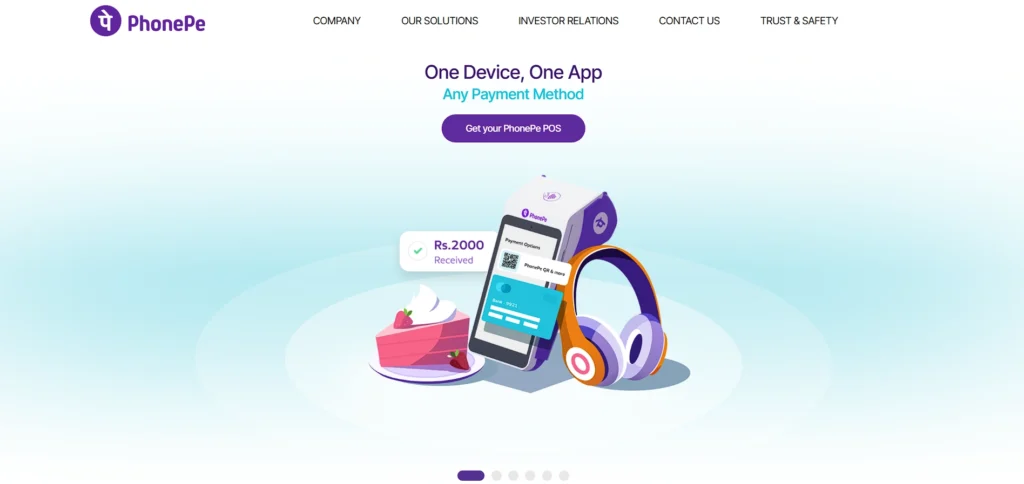
PhonePe emerged as a major force in India’s UPI-driven digital payments revolution. Its simple interface and wide merchant acceptance helped it rapidly gain users across urban and rural India. Among notable startup companies in India, PhonePe became a preferred app for everyday transactions such as bill payments, recharges, and peer-to-peer transfers.
The platform expanded its offerings into insurance, mutual funds, and wealth management, transforming itself into a financial services super-app. With strong backing and deep integration into India’s digital infrastructure, PhonePe continues to lead in UPI transaction volumes.
Key Services:
- UPI-based digital payments
- Mobile recharges and bill payment.
- Distribution of mutual funds and insurance.
- QR payment solutions of merchants.
- Digital wallet services
Why Are They Profitable
- Commission from financial product distribution
- High daily transaction volumes
- Strong merchant network across India
- Cross-selling financial services to users
- Market leadership in UPI transactions
9. Meesho
- Founder: Vidit Aatrey, Sanjeev Barnwal
- Year Founded: 2015
- Approx Revenue: ₹5,000–6,000 crore annually
- Meesho: https://www.meesho.com
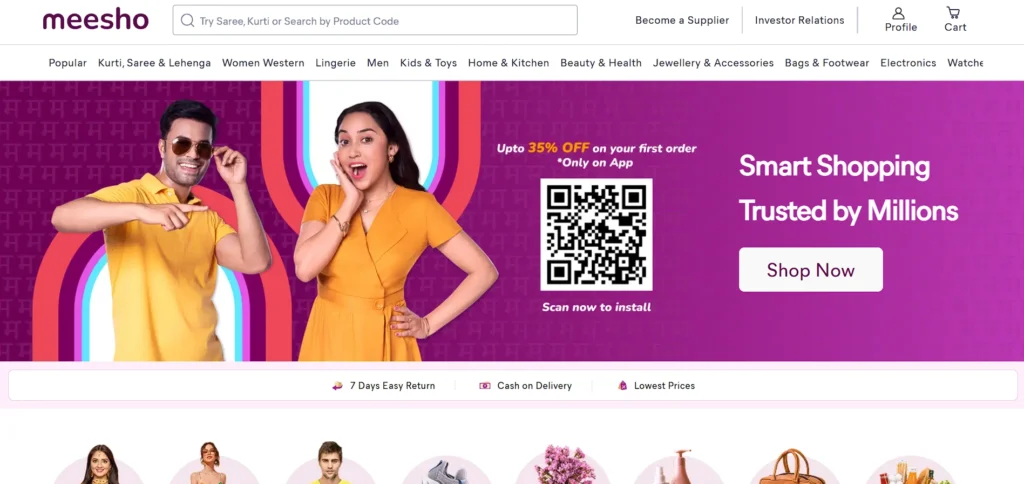
Meesho disrupted Indian e-commerce by enabling small sellers and home-based entrepreneurs to sell products via social media platforms. It focused on affordability and zero-commission selling, making online business accessible to individuals with minimal capital. Meesho gained massive traction in tier-2 and tier-3 cities.
The platform offers end-to-end support including catalog management, logistics, and payments. By empowering millions of resellers and small manufacturers, Meesho has become a key driver of grassroots entrepreneurship in India.
Key Services:
- Social commerce marketplace.
- Onboarding of sellers and managing catalogs.
- Logistics and delivery service.
- Collection and settlement of payment.
- Promotional and distributor packages.
Why Are They Profitable
- Asset-light marketplace model
- Strong penetration in tier-2 and tier-3 cities
- Commission from sellers and brands
- Low customer acquisition cost via social platforms
- High order volume in value-driven categories
10. Freshworks
- Founder: Girish Mathrubootham
- Year Founded: 2010
- Approx Revenue: ₹4,500–5,000 crore annually
- Freshworks: https://www.freshworks.com
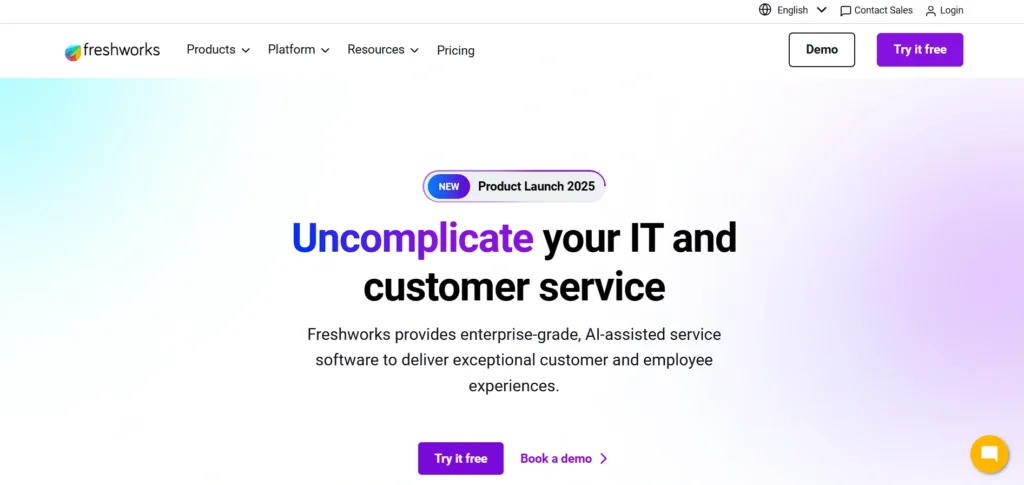
Freshworks is a global SaaS company that originated in India and built software products for customer support and business automation. It gained recognition by offering easy-to-use and affordable alternatives to complex enterprise software. Freshworks is one of the notable startup companies in India that helped democratize SaaS adoption for small and mid-sized businesses.
The company expanded globally with products covering customer service, CRM, IT service management, and marketing automation. Freshworks is publicly listed and represents India’s growing strength in building globally competitive SaaS startups.
Key Services:
- Customer support software and ticketing software.
- Sales automation and CRM.
- Information technology service management solutions.
- Marketing automation software.
- Business software on the cloud.
Why Are They Profitable
- Subscription-based recurring revenue
- Global customer base across industries
- High gross margins typical of SaaS models
- Low marginal cost for additional users
- Strong upselling and cross-selling opportunities
11. CRED
- Founder: Kunal Shah
- Year Founded: 2018
- Approx Revenue: ₹1,800–2,000 crore annually
- CRED: https://cred.club
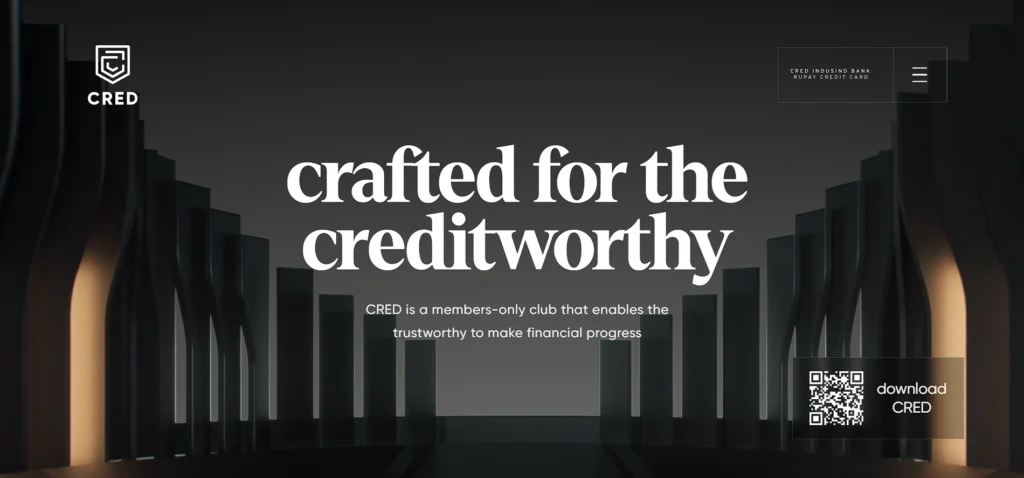
CRED built a premium fintech platform targeting creditworthy users by rewarding them for timely credit card bill payments. Its invite-only model and strong focus on user experience helped it stand out in a crowded fintech market. CRED positioned itself as a lifestyle-focused financial platform rather than just a payments app.
Over time, CRED expanded into lending, commerce, and financial product discovery. By leveraging user data and partnerships with banks and brands, the company continues to create value-added services for high-income urban consumers.
Key Services:
- Bill payment facility through a credit card.
- Reward and loyalty programs
- Personal loans and credit products.
- Managing brand offers and trade.
- Discovery of financial products.
Why Are They Profitable
- High-value, creditworthy user base
- Commission from lending and financial partners
- Brand partnerships and sponsored offers
- Strong monetization per user
- Data-driven targeting increasing conversion rates
12. Dream11

- Founder: Harsh Jain, Bhavit Sheth
- Year Founded: 2008
- Approx Revenue: ₹6,000–7,000 crore annually
- Dream11: https://www.dream11.com
Dream11, one of the leading startup companies in India, popularized fantasy sports by allowing users to create virtual teams and compete based on real-life match performances. The platform gained massive traction during major cricket tournaments, becoming a mainstream digital entertainment product. Dream11 played a key role in legitimizing fantasy sports in India.
The company expanded across multiple sports including football, kabaddi, and basketball. With strong user engagement and repeat participation, Dream11 has become one of India’s most profitable consumer internet startups.
Key Services
- Fantasy cricket platform
- Fantasy football and other sports
- Paid contests and leagues
- Real-time match-based gaming
- Sports engagement tools
Why Are They Profitable
- Entry fees from paid contests
- Extremely high user engagement
- Low operational costs compared to revenue
- Strong seasonal demand during tournaments
- Clear legal positioning of fantasy sports in India
13. Zerodha
- Founder: Nithin Kamath, Nikhil Kamath
- Year Founded: 2010
- Approx Revenue: ₹7,000–8,000 crore annually
- Zerodha: https://zerodha.com
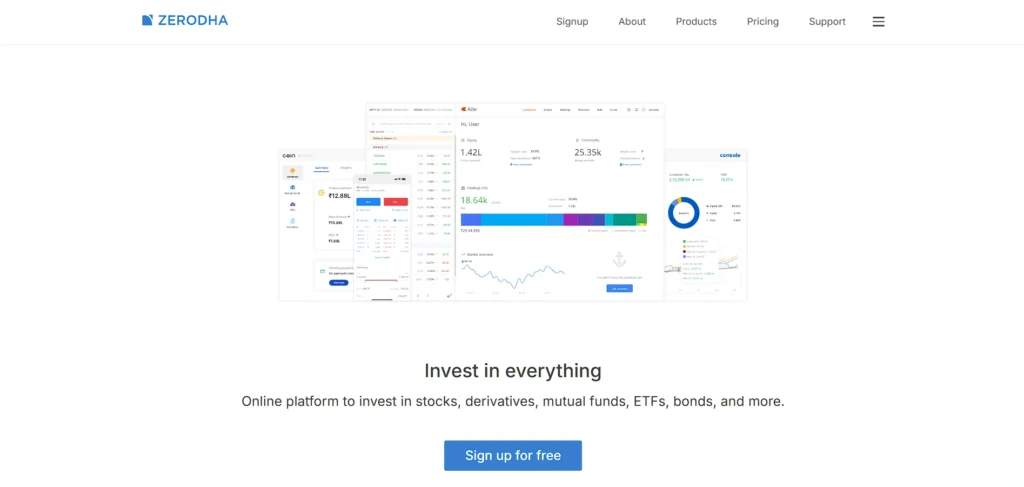
Zerodha disrupted India’s stockbroking industry by introducing a low-cost, technology-first model. It eliminated traditional brokerage fees and focused on transparent pricing, making investing more accessible to retail investors. Zerodha attracted millions of first-time investors during India’s equity market boom.
Beyond trading, Zerodha built a strong ecosystem of investor education, analytics, and financial tools. Its bootstrapped growth and consistent profitability make it one of the most respected startups in India’s fintech landscape.
Key Services
- Online stock trading platform
- Equity and derivatives brokerage
- Mutual fund investment services
- Investor education and analytics tools
- APIs for trading and analytics
Why Are They Profitable
- Discount brokerage model with high volumes
- Minimal marketing spend
- Fully digital, low-cost operations
- Large and loyal retail investor base
- Consistent market participation by users
14. OYO
- Founder: Ritesh Agarwal
- Year Founded: 2013
- Approx Revenue: ₹5,500–6,500 crore annually
- OYO: https://www.oyorooms.com
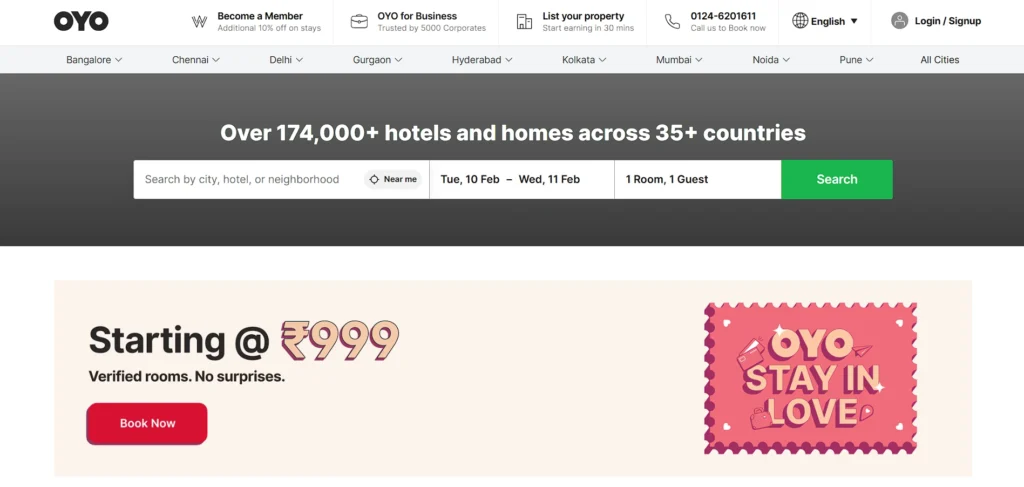
OYO transformed the budget hospitality segment by standardizing affordable hotel stays across India and globally. The company partnered with small hotel owners to improve service quality, pricing transparency, and customer experience. OYO’s asset-light model enabled rapid expansion in domestic and international markets.
As one of the leading startup companies in India, OYO focused in recent years on improving profitability and operational efficiency. With a strong presence in leisure and business travel segments, OYO remains one of India’s most well-known hospitality startups.
Key Services
- Budget hotel bookings
- Vacation rentals and premium stays
- Hotel management and branding solutions
- Corporate and business travel stays
- Technology solutions for hotel partners
Why Are They Profitable
- Asset-light franchise and partnership model
- Commission from hotel bookings
- High occupancy rates in budget segment
- Strong brand recall in travel market
- Improved cost control and operational efficiency
15. Lenskart
- Founder: Peyush Bansal
- Year Founded: 2010
- Approx Revenue: ₹4,500–5,500 crore annually
- Lenskart: https://www.lenskart.com
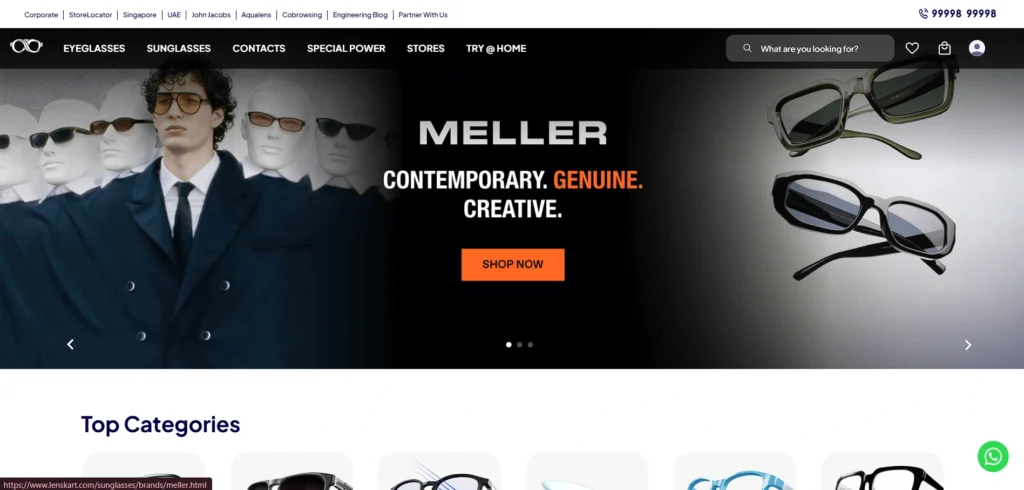
Lenskart disrupted India’s eyewear market by combining online convenience with offline retail presence. The company made quality eyewear affordable through direct manufacturing and technology-driven eye testing solutions. Its omnichannel model helped build trust among Indian consumers.
Lenskart expanded internationally and invested heavily in product innovation, logistics, and customer experience. Today, it is one of India’s leading consumer startups, blending fashion, healthcare, and technology effectively.
Key Services
- Online eyewear retail
- Offline optical stores
- Eye testing and vision care services
- In-house eyewear manufacturing
- International retail operations
Why Are They Profitable
- Direct-to-consumer manufacturing model
- High margins on private-label products
- Omnichannel presence boosting trust and sales
- Repeat purchases and upgrades
- Strong brand positioning in affordable eyewear
Conclusion
In conclusion, the rise of startup companies in India demonstrates how strong even a simple idea can become with the assistance of appropriate technology and will. Such firms did not only create successful enterprises that they transformed the way that Indians shop, pay, travel, learn as well as invest. Their stories demonstrate that there is no address or background to innovation.
The most impressive thing about them is that these startups addressed the actual issues that ordinary citizens had to deal with. They generated employment, helped small businesses and made services more available to the country. These companies will continue to inspire more and more entrepreneurs to dream big and create the solutions that will make a difference as the startup ecosystem in India continues to grow.
FAQs
Which Sector Has The Most Successful Startups In India?
E-commerce, fintech, edtech, food delivery, and SaaS are among the most successful startup sectors in India, as they directly address everyday consumer and business needs.
Can Small Startups Really Compete With Big Companies?
Yes, startups often compete successfully by focusing on innovation, customer experience, and niche problem-solving. Many Indian startups have challenged global giants by understanding local markets better.
Do Indian Startups Generate Real Revenue or Only Rely On Funding?
Many Indian startups generate strong revenues through sustainable business models. Several companies listed in this article are profitable or moving steadily toward profitability.
Is India a Good Place To Start a New Startup Today?
Yes, India offers a strong startup ecosystem with access to talent, funding, digital infrastructure, and a massive consumer base, making it an attractive place to start a business.
What Can Aspiring Entrepreneurs Learn From These Startups?
Aspiring entrepreneurs can learn the importance of solving real problems, staying adaptable, using technology smartly, and building customer-focused products from these successful Indian startups.
