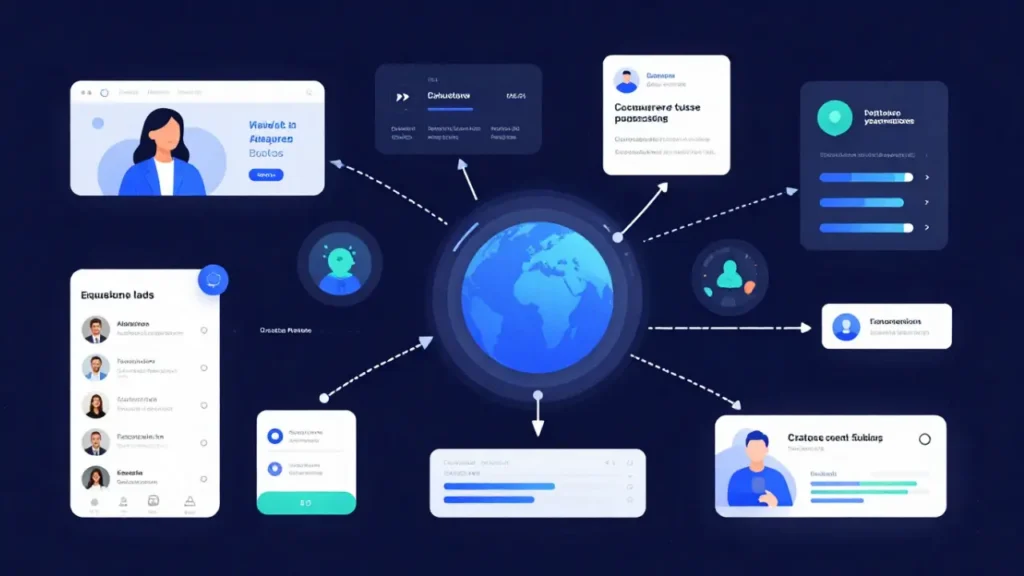
The customer interaction has now become more than just a transactional relationship between any business and its customer but has turned into an all-around transactional process between the two. Customer engagement tools can enable businesses to relate to their customers and retain them. The tools may encompass such things as Customer Engagement Tools, feedback systems, live chat, and automation of marketing and are designed to provide a more personal and interactive experience to the customer.
In the current hyper-competitive digital environment, customer engagement is not optional but a requirement in order to survive in business. It is true that when a company gives importance to what is meaningful to their customers, then the retention rate is far higher, coupled with high customer lifetime value and higher brand loyalty. The contemporary customer experience involves numerous points of contact, including social media contact and support tickets, among others, and it is of paramount importance that businesses ensure that the customer experience is more or less the same across all these channels as part of personalized engagement.
The main advantages of successful Customer Engagement Tools can be named as enhanced customer retention levels (lowering the customer acquisition costs), improved customer knowledge that leads to the improvement of products, new revenue streams due to the possibilities of cross-selling and upselling, and the enhancement of the brand due to good customer relations. In this article, you will be able to obtain a detailed description of the best customer engagement tools to use in 2026 to select the optimal option to address the requirements of your business.
Also read: Best Email Marketing Tools
What Makes a Great Customer Engagement Tool?
Assessing the level of customer engagement tools, there are a number of essential functions that make the most appropriate solutions stand out among the others:
Multichannel communication support is fundamental in 2026. The most powerful tools unite email, live chat, social media, SMS, phone support, and in-app messaging into a single interface. This guarantees the convenience of the customer of communicating with you via the channel of their choice, with continuous conversations.
Personalization and automation capabilities are equally important. New technologies based on AI and machine learning are used to provide maximum individualization, automatically filtering customers by their behavior, preferences, and engagement history to provide them with an individual experience on a large scale. This enables the companies to deliver targeted messages and introduce appropriate products, as well as give proactive support.
Real-time analytics and reporting provide the insights needed to measure engagement effectiveness. Find tools with capabilities to provide overall dashboards, customer journey mapping, engagement metrics, and predictive analytics to make strategic decisions.
CRM and third-party integrations to ensure that your engagement tool is compatible with the tech stack you already have. The most efficient platforms are the ones that are compatible with some popular CRMs, marketing automation software, e-commerce platforms, and analytics software to develop a coherent customer data environment.
Ease of use and scalability are crucial for long-term success. The platform ought to be user-friendly for the team members and have the versatility to scale with your business. Examples of such tools include access based on roles, individually tailored workflows, and high-security standards of an enterprise.
Customer feedback and survey capabilities round out the essential features. Where engagement efforts are concerned, the capability to gather, process, and take action on customer feedback allows filling the loop regarding engagement activities and constantly enhancing the customer experience.
Top 10 Customer Engagement Tools in 2026
1. HubSpot
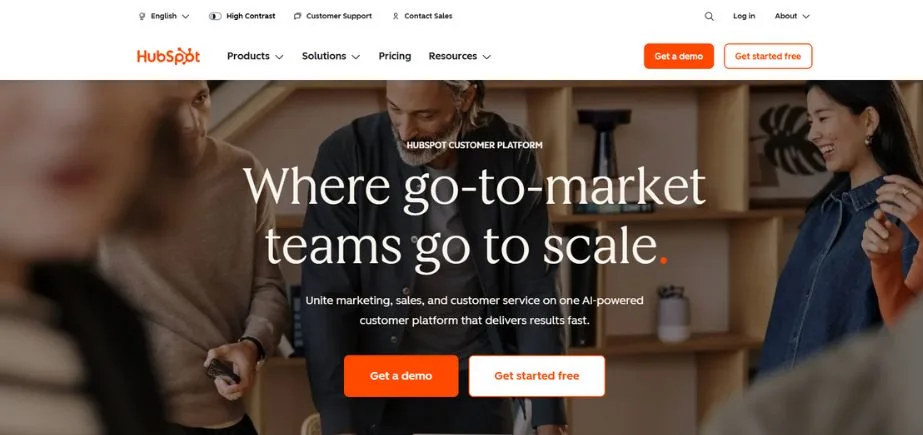
HubSpot is a CRM software that is an all-in-one platform with strong customer engagement tools capabilities across marketing, sales, and support. It has live chat, automation of email, ticketing, customer segmentation, and detailed analytics. HubSpot is an interface-friendly software that is easily integrated with common tools, which makes it applicable in any business. The personalization of the platform contributes to the achievement of the customized experience, leading to increased engagement and loyalty. It is very effective in inbound marketing and helps foster long-term relationships with customers.
Key Features:
- All-in-one CRM with marketing, sales, and service hubs
- Advanced marketing automation and lead nurturing
- Comprehensive analytics and reporting dashboard
- Social media management and content creation tools
- Integrated live chat and chatbot functionality
Best Suited For:
Small to enterprise businesses seeking an all-in-one solution, particularly those focused on inbound marketing strategies.
Pros:
- Free tier available with substantial functionality
- Excellent integration ecosystem with 500+ integrations
Cons:
- Can become expensive as you scale
- Some advanced features require higher-tier plans
Pricing:
Starts free; paid plans from $45/month per user
Explore This Also: Best Digital Marketing Companies in Delhi
2. Zendesk
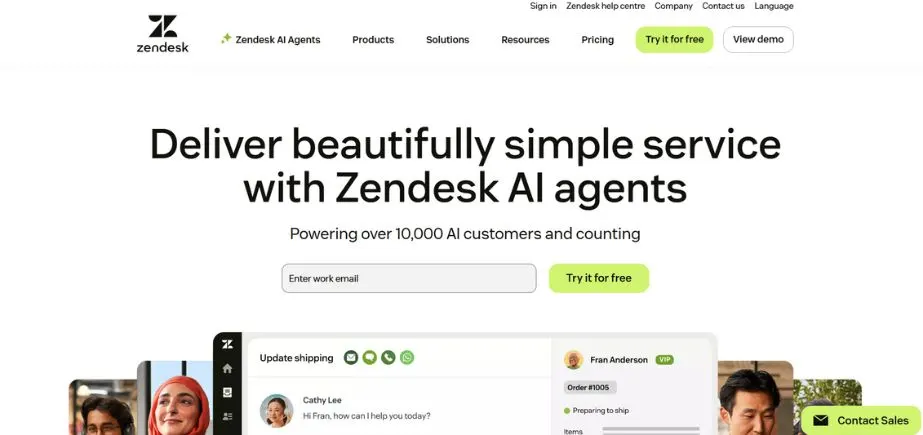
Zendesk is one of the most popular customer engagement tools aimed at making the communication process with its customers easier by means of email, chats, voice, and social media. It has functionalities for managing tickets, automated workflow, knowledge base development, and tracking customer satisfaction. Zendesk provides an improvement in interaction as it allows customized and on-time assistance using a single dashboard. It is well-scaled to be usable by any business of any size, and it has solid interaction with CRM and e-commerce platforms. Zendesk can enable you to establish long-term relationships with effective omnichannel customer support.
Key Features:
- Advanced ticketing system with automation rules
- Multichannel support (email, chat, phone, social media)
- Knowledge base and self-service portal creation
- AI-powered Answer Bot for instant responses
- Comprehensive reporting and analytics
Best Suited For:
Medium to large businesses with high support volumes, particularly those prioritizing customer service excellence.
Pros:
- Excellent ticketing and case management
- Strong integration capabilities with 1000+ apps
Cons:
- Can be complex for smaller teams
- Pricing can escalate quickly with add-ons
Pricing:
Starts at $19/month per agent
3. Intercom
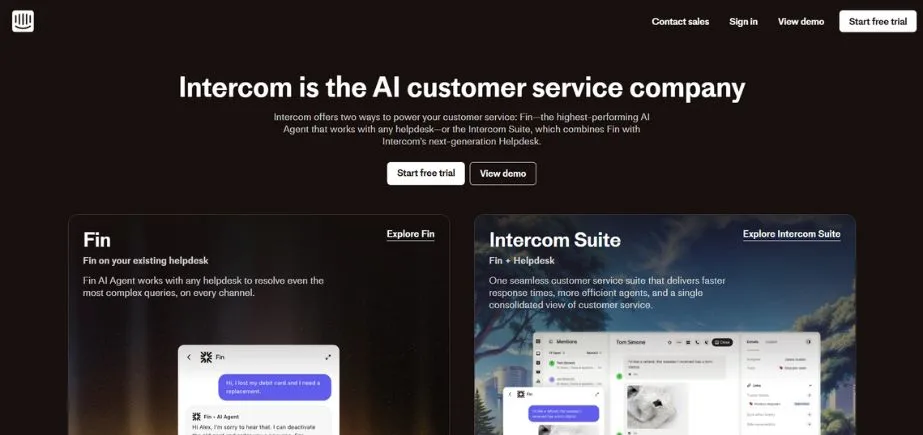
The company Intercom is a conversational customer engagement tools more oriented toward real-time support, customer onboarding, and customer retention. It has live chat, personalized messaging, chatbots, and an auto-followed workflow that evolves according to user behavior. Intercom has been specifically built to enable proactive relationships with all customers throughout their customer lifecycle and is designed to work with SaaS and digital businesses. Via segmentation and AI-enriched messaging, companies are able to offer personal experiences on a large scale. Intercom plays back with CRMs and product tools, and, therefore, it is a favorite when it comes to user-centric engagement.
Key Features:
- Conversational marketing and support platform
- Advanced chatbot builder with AI capabilities
- Targeted messaging based on user behavior
- Product tours and onboarding sequences
- Team collaboration tools for customer conversations
Best Suited For:
SaaS companies, startups, and businesses prioritizing conversational engagement and user onboarding.
Pros:
- Excellent user interface and user experience
- Strong automation and personalization features
Cons:
- Limited traditional ticketing capabilities
- Pricing can be high for larger contact databases
Pricing:
Starts at $39/month for basic features
4. Freshdesk
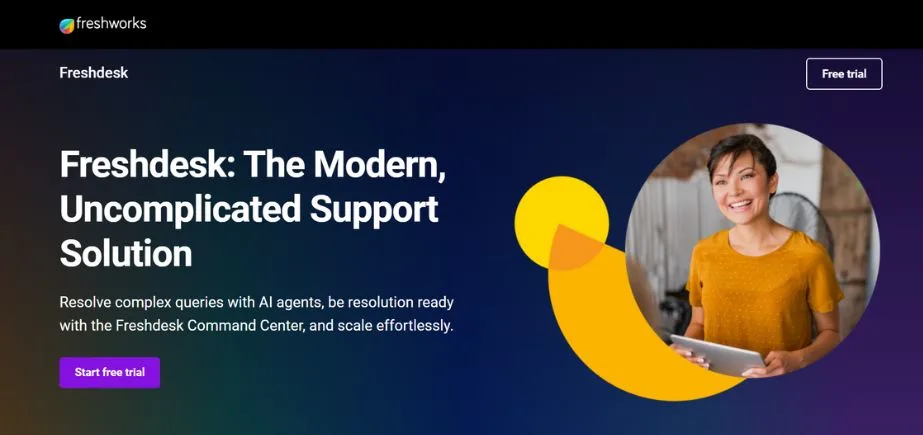
Freshdesk is a cloud-based customer support software that makes it easy to deal with tickets, automate procedures, and improve conversations with customers. It allows various channels, including email, chat, phone, and social media, so that the teams can interact with the customers in a single window. Such tools as AI-guided bots, SLA management, and self-service portals contribute to a higher level of satisfaction and efficiency. Freshdesk is more conducive to any business that wants a low entrance fee, is scalable to any business size, and offers very good support options as well as a simple and agent-friendly structure to the software.
Key Features:
- Intuitive ticketing system with SLA management
- Multichannel support including social media
- Automation and workflow customization
- Customer satisfaction surveys and feedback collection
- Gamification features to motivate support teams
Best Suited For:
Small to medium businesses looking for cost-effective customer support solutions with engagement capabilities.
Pros:
- Competitive pricing with generous feature sets
- User-friendly interface and quick setup
Cons:
- Limited advanced customization options
- Reporting capabilities could be more robust
Pricing:
Starts at $15/month per agent
5. Salesforce Marketing Cloud
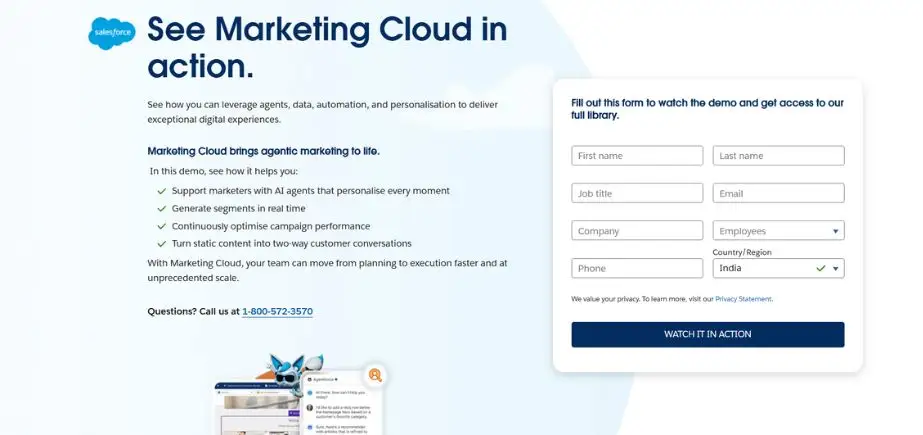
Salesforce Marketing Cloud is an enterprise-level software that allows personalizing customer experience with the help of advanced automation, AI, and data-oriented insights. It is the one that enables brands to reach customers at scale using multichannel campaigns with the support of email, SMS, social, and web channels. It can assist in building a seamless customer lifecycle experience with strong tools of segmentation and journey mapping. Best suited to big enterprises, Salesforce Marketing Cloud features a strong integration with Salesforce CRM and therefore can be used as an effective tool for targeted marketing and acquisition of loyalty.
Key Features:
- Advanced marketing automation and journey builder
- AI-powered personalization with Einstein
- Cross-channel campaign management
- Predictive analytics and customer insights
- Extensive integration with Salesforce ecosystem
Best Suited For:
Large enterprises with complex customer engagement needs and existing Salesforce investments.
Pros:
- Extremely powerful automation and personalization
- Comprehensive analytics and reporting
Cons:
- High complexity requiring dedicated expertise
- Expensive implementation and ongoing costs
Pricing:
Custom pricing starting around $1,250/month
6. Drift
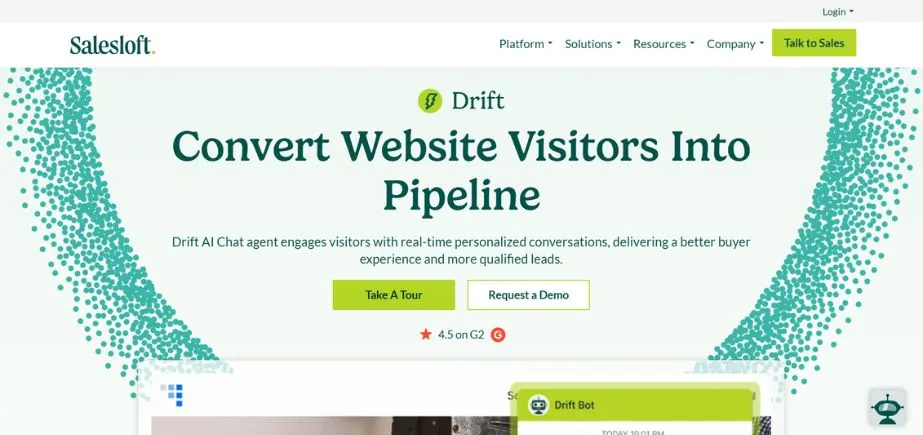
Drift is based on the conversational marketing and sales platform aimed at connecting businesses with customers in real-time. It has chatbot automation, live chat, video messaging, as well as AI-enabled conversation routing to prequalify the leads and attend to the visitors immediately. Drift is interested in building quick, custom-tailored buyer experiences, especially in the B2B sales units. Its fluidity of CRM integration and the revenue acceleration approach serve to turn more leads into customers through immediate, human-like interaction.
Key Features:
- Real-time chat and messaging platform
- AI-powered chatbots for lead qualification
- Meeting scheduling and calendar integration
- Revenue acceleration through conversational sales
- Account-based marketing capabilities
Best Suited For:
B2B companies focused on lead generation and sales acceleration through conversational marketing.
Pros:
- Excellent real-time engagement capabilities
- Strong integration with sales tools
Cons:
- Limited traditional support ticketing features
- Pricing can be steep for smaller businesses
Pricing:
Starts at $2,500/month for premium features
7. Braze
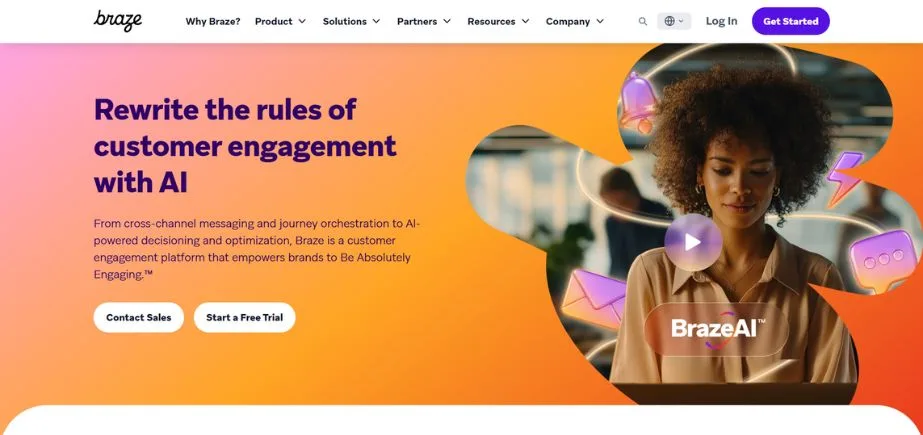
Braze is a customer engagement tool that was developed to achieve real-time, cross-channel messaging. It allows businesses to reach out to their users through email, in-app messaging, push notifications, and SMS. Braze is known as one of the companies with personalization capabilities and event-driven automation, which enables the creation of a vibrant user experience. Its user interface is easy to learn, and the analytics are powerful, making it possible to simply test, optimize, and scale campaigns. Braze is popular among mobile-first companies and digital individuals who want to achieve a high level of engagement.
Key Features:
- Cross-channel messaging (push, email, SMS, in-app)
- Real-time personalization and dynamic content
- Advanced segmentation and targeting
- Canvas journey orchestration
- Comprehensive analytics and attribution
Best Suited For:
Mobile-first businesses, e-commerce companies, and apps requiring sophisticated push notification strategies.
Pros:
- Excellent mobile engagement capabilities
- Powerful segmentation and personalization
Cons:
- Can be complex to set up and manage
- Pricing model may not suit all business sizes
Pricing:
Custom pricing based on monthly active users
Read More: All SMO Tools for Businesses & Digital Marketers
8. Zoho CRM Plus
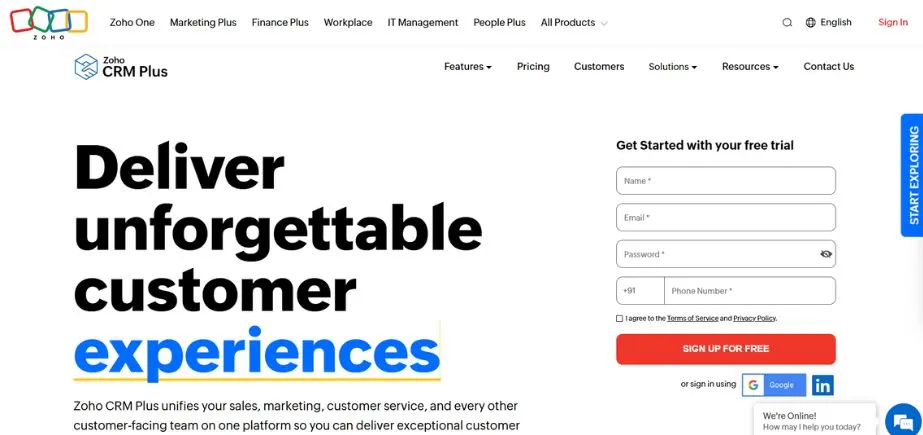
Zoho CRM Plus is a CRM suite consisting of live chat, email campaigns, social media management, and analytics, all bundled together with CRM. It provides a 360-degree perspective of the customer, making it easy to interact with them without inconveniencing them in all other areas of touch. Zoho CRM Plus has AI-powered help, automation processes, and support on multiple channels, attracting businesses to strengthen their relationship and retention. It is better applicable to small and medium-sized companies that want to find a cost-effective tool that is integrated to help manage sales, marketing, and support.
Key Features:
- Integrated CRM, helpdesk, and social media management
- Marketing automation and campaign management
- Survey and feedback collection tools
- Analytics and business intelligence
- Collaboration and project management features
Best Suited For:
Small to medium businesses seeking an integrated, cost-effective solution across multiple business functions.
Pros:
- Excellent value with comprehensive feature set
- Strong integration across Zoho ecosystem
Cons:
- Individual components may lack depth compared to specialists
- User interface can feel dated
Pricing:
Starts at $57/month per user for the suite
9. Klaviyo
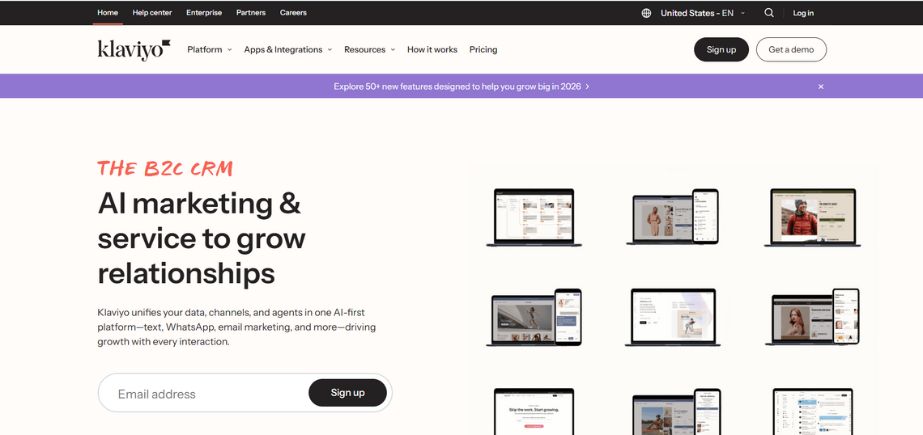
Klaviyo is data-centered email and SMS marketing software that targets personalization in customer relationship improvement of online commerce organizations. It enables one to dispatch personalized messages depending on the behavioral data and highly advanced segmentation in real-time. Automation workflows in Klaviyo enable the nurturing of leads, reduce cart abandonment, and improve customer retention. Its integrations with Shopify, WooCommerce, and other programs are rich to enable the product to monitor the ROI and give deep analytics. It means that Klaviyo best serves online stores that want to scale personalized communication and drive sales by engaging with customers.
Key Features:
- E-commerce focused email and SMS marketing
- Advanced segmentation based on purchase behavior
- Automated flows for abandoned cart, post-purchase, etc.
- Predictive analytics for customer lifetime value
- Deep integrations with e-commerce platforms
Best Suited For:
E-commerce businesses, particularly those using Shopify, WooCommerce, or other major platforms.
Pros:
- Excellent e-commerce specific features
- Strong ROI tracking and attribution
Cons:
- Limited beyond e-commerce use cases
- Pricing can increase significantly with list growth
Pricing:
Free up to 250 contacts; paid plans start at $20/month
10. Tidio
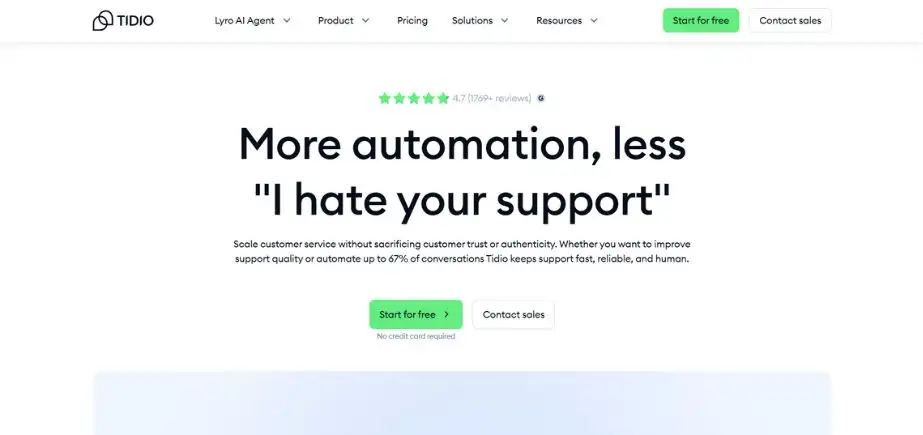
Tidio is a suite of live chat, chatbots, and email automation that targets small and medium businesses on the same platform. It enables one to have a real-time chat with visitors on the website, automate the responses, and also turn leads into customers. The Tidio chatbot platform has a drag-and-drop chatbot creator, which does not involve any coding. It provides excellent support for customer interaction in terms of using its integration options with Shopify, WordPress, and Messenger. Tidio is a simple and affordable choice for companies that seek to boost their presence and assistance without numerous complicated arrangements.
Key Features:
- Live chat with mobile apps for on-the-go support
- AI chatbots with no-code builder
- Email marketing with automation
- Visitor tracking and analytics
- Integration with popular e-commerce platforms
Best Suited For:
Small businesses, freelancers, and startups looking for an affordable, easy-to-use engagement solution.
Pros:
- Very affordable with generous free plan
- Easy setup and user-friendly interface
Cons:
- Limited advanced features compared to enterprise solutions
- Fewer integration options
Pricing:
Free plan available; paid plans start at $15.83/month
Key Benefits of Using Customer Engagement Tools
The use of the correct customer engagement tool will yield quantifiable returns in various business segments.
Improved customer satisfaction and loyalty are the immediate manifestation of the effect, since, when doing business, a customer is served more promptly and individually. The use of such tools as AI and data analytics enables businesses to understand when they should support their customers and satisfy them.
Better response times and support experience become achievable through automation and intelligent routing. The contemporary engagement tools have the ability to instantly classify the inquiries, direct them to the members of the relevant departments, and even swiftly answer frequent questions due to the presence of chatbots driven by AI.
Deeper insights into customer behavior emerge from comprehensive analytics and reporting capabilities. These tools monitor customer engagement at every touchpoint, which gives crucial information concerning preference, pain points, and contact patterns to change the strategic decision.
More effective marketing through personalized interactions becomes possible as the engagement tools connect with customer data platforms. This allows their business to provide customers with personalized content, products, and offers through the historical customer profile and behavior.
Increased conversion rates and retention naturally follow from improved engagement strategies. As soon as this customer is heard, appreciated, and guided across the journey, she is more likely to buy again and refer people to your company.
Conclusion
Customer engagement is an ever-changing field, and AI, automation, and multi-channel communication are no longer competitive but simply expected features. The tools that have been discussed in this guide are the present leaders in assisting businesses in their attempt to develop a quality, sustainable relationship with their customers.
The process of choosing the appropriate customer engagement tool in our case is highly influenced by your business objectives, customer points of contact, and current technological landscape. When making a decision, take into account your communication channels of the first order, budget opportunities, and team size, as well as the integration needs.
Remember that customer engagement is not a set-and-forget initiative. Analysis of your engagement plan and the tools you employ regularly helps you know that you are keeping on track of the changing customer needs and that you are getting the best of your investment. Most prosperous businesses consider customer engagement to be an ongoing dialogue as opposed to a series of discrete interactions.
FAQs
What is the distinction between customer engagement tools and CRM?
Although CRM systems are dedicated to retaining and controlling the data of potential buyers and the sales process, customer engagement tools are focused on active communication and interaction taking place in multiple channels. Most such platforms are modern and incorporate both functions.
Can small businesses utilize such platforms?
Absolutely. Most of the tools have tiers or low-priced entry packages that suit small businesses. The trick is to select a platform that fulfills your present requirement, yet it should have the capacity to expand.
What are the benefits of AI and automation when it comes to engagement?
Using AI and automation, it is possible to scale personalized human interactions, deliver immediate answers to frequently asked questions, anticipate customer needs, and enable a human team to work on high-value customer tasks by passing the repetitive tasks to automation.
Is customer engagement technology worth buying?
When selected and then implemented correctly. The common finding is that companies that have highly integrated customer engagement plans experience higher retention rates, customer lifetime value, and profitability in general.
What is the most suitable tool to use in omnichannel support?
All three of them, Zendesk, HubSpot, and Salesforce Marketing Cloud, are successful in terms of omnichannel support, but your final decision should be based on the particularities of your channel needs and budget restrictions. You can begin with a creative trial to determine the functionality on your channels of preference.
Continue Exploring: Best SEO Reporting Software
